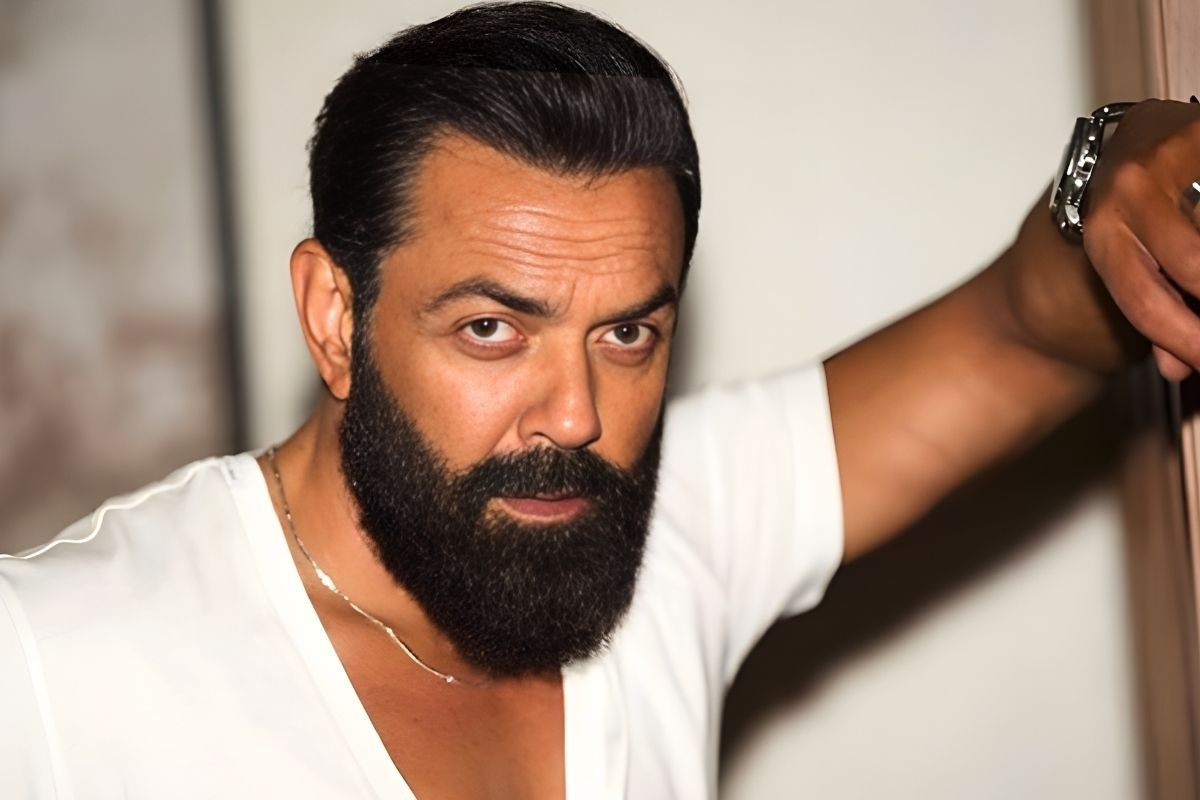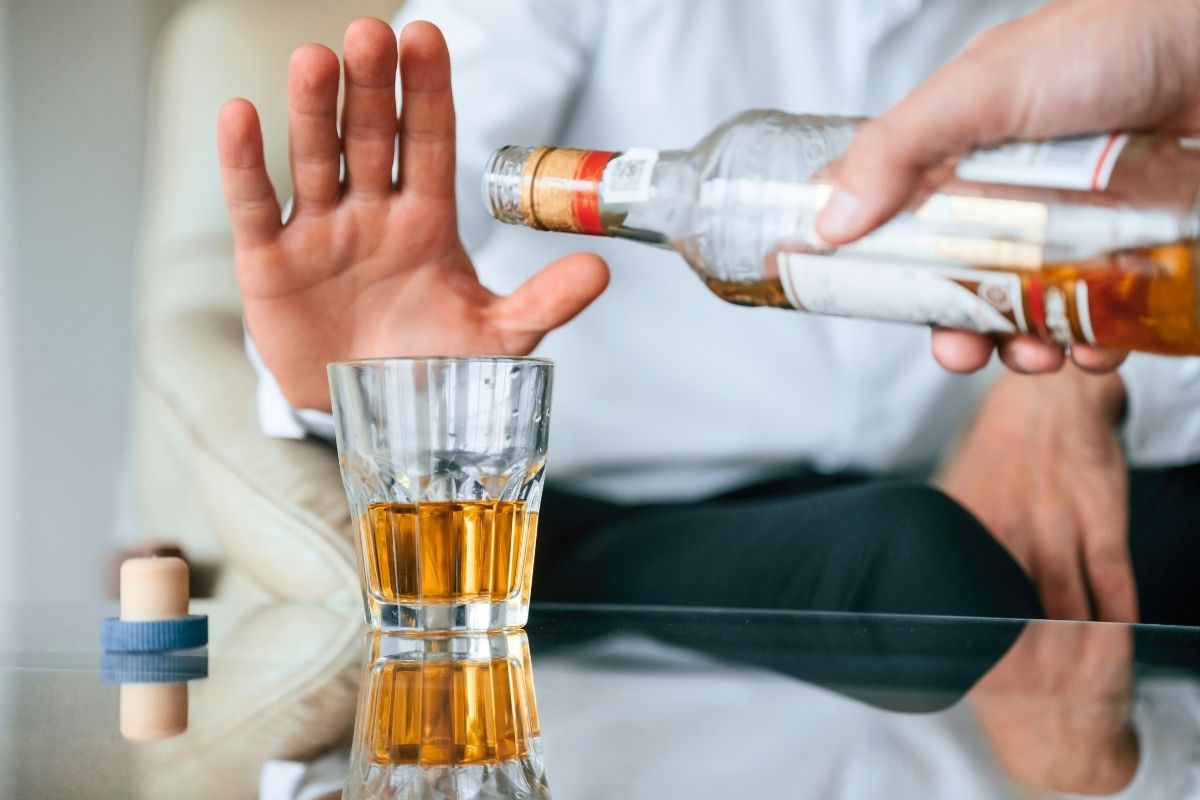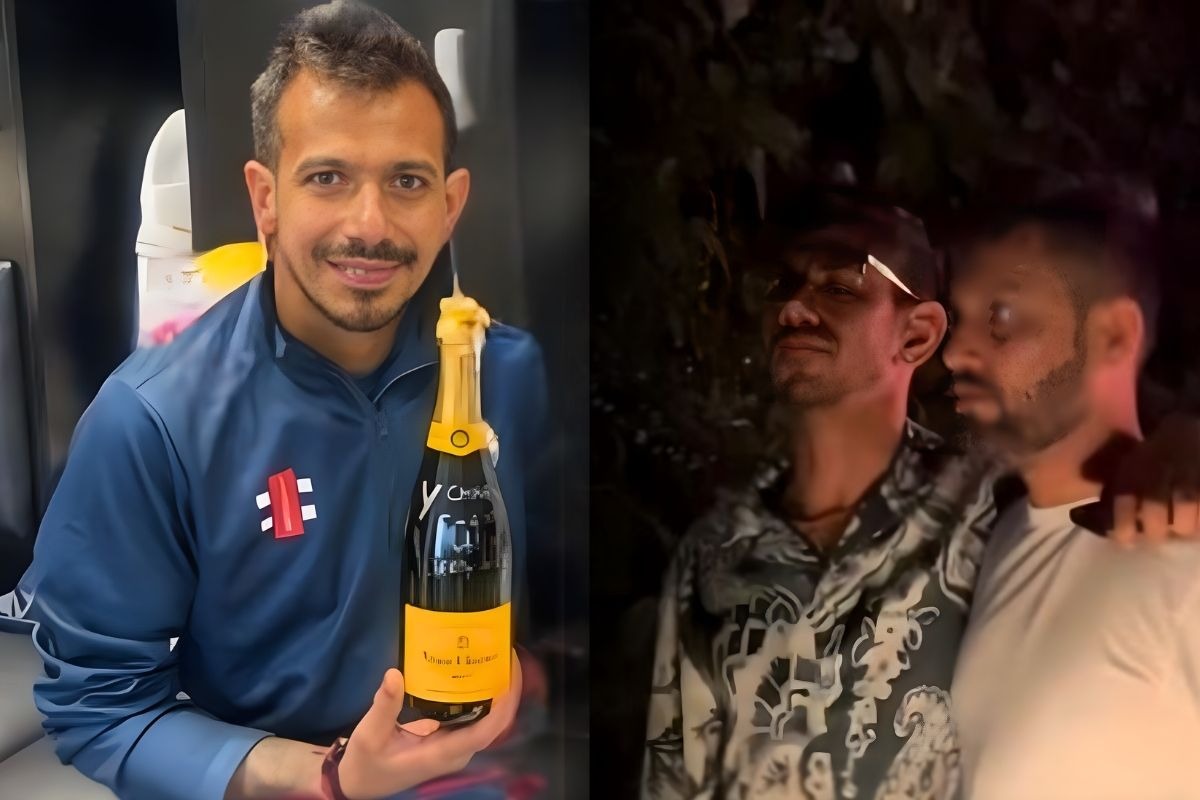
This isn’t just a sports update; it’s a story of what happens when the “life of the party” says no to casual drinking and wants to choose life. Furthermore, Yuzvendra Chahal’s recovery journey is a great example of how to change your mind around alcoholism. We frequently think of sportsmen as machines that can’t be broken. However, sometimes, under the jersey of almost perfect famous sportsmen, the body and mind start to smoke under the pressure. Recognizing the necessity for a “system reset” is the initial stride toward achieving long-term sustainability. Well, it is also widely acknowledged that high-performance occupations frequently conceal underlying stress.
In a recent open conversation with AB de Villiers, the leading wicket-taker for India in the IPL, he revealed something. As of March 2026, he has maintained total sobriety for almost 6 months. Being the former “party animal” of the Indian team, this is obviously a big change for him. It’s a radical departure from his previous self, one that is capable of enduring the pressures of performing on a big stage.
The “Why” Behind Yuzvendra Chahal’s Recovery Journey
There has to be something that makes every strategic change happen. Chahal, who is now 35, had his “aha” moment because he was so frustrated. Although Chahal helped the Punjab Kings make it to the finals in 2025, Yuzvendra Chahal’s recovery journey actually began while he was playing through a thick physical and emotional fog. Specifically, a broken rib and a hurt knuckle weren’t just problems; rather, they were signs that he wasn’t getting better as quickly as he should have been.
For an exceptional athlete, the biological clock doesn’t just tick; it thumps. The time to recover gets longer, and in Yuzvendra Chahal’s recovery journey, there was no room for further mistakes. By choosing sobriety, Chahal is putting money back into his main asset by not drinking. Essentially, he is moving away from short-term escapes and toward a long-term career.
So, maintaining a healthy body isn’t merely an individual preference for those who work under constant stress; it’s also a practical way to boost mental “bandwidth” and control one’s emotions.
Mental Health in Sports: Lifting the Heavy Veil
Let’s be honest, for a long time, mental health in sports has been a “hush-hush” subject. We want players to “tough it out” and “show grit.” Nevertheless, Yuzvendra Chahal’s recovery journey chose a different path: it chose radical openness.
Experiencing severe depression and panic episodes, he entered a “dark phase” following his divorce in 2025. Envision yourself trying to bowl a perfect googly in front of millions of people as your personal life is collapsing. But by stepping up now, he’s working to break down the stigma that keeps so many people from getting assistance. Ultimately, he shows that getting over professional burnout isn’t about working harder; instead, it’s about healing more deeply.
Fortunately, radical openness about one’s mental health is rising in prominence as an asset, rather than a liability, among athletic elites.
The Power of Support: Alcoholics Anonymous and Other Groups
Yuzvendra Chahal’s recovery journey with the help of structured support is one of the most human portions of this story. Indeed, using groups like Alcoholics Anonymous is a big deal. By doing so, it changes the story from “he has a problem” to “he is taking care of his health with others’ help.”
In the high-stakes world of cricket, the bravest thing you can do is confess that you need help. After all, nobody wins a championship by themselves. This is a lesson for all of us. If you feel like you’re stuck in a similar pattern, Yuzvendra Chahal’s recovery journey proves that you shouldn’t be afraid to find a rehab centre or a professional counsellor. In addition to community support, these venues offer resilience training for high-pressure roles that talent alone can’t give.
The Stats Behind the Specialist: Why PBKS Invested
To see what’s at stake, look at the numbers. Chahal is still the all-time leader in wickets taken in the IPL, with 221 wickets. But his season in 2025 was all about “quality over quantity.” Even though he had to deal with ailments, he kept his economy rate at 7.96 throughout the event. In particular, no one else can hit as well in the middle overs as he can.
The Punjab King’s decision to keep him for 18 crore also shows how valuable he is as a “Revenue Engine.” Because of this, his sobriety isn’t only a personal achievement; it’s also a professional obligation to prove that huge price tag and lead the bowling attack until 2026.
Changing the Technical: What a Sober Chahal Looks Like
So, what does this really imply for the Punjab Kings in the IPL 2026? A sober Yuzvendra Chahal’s recovery journey gives his team three tactical advantages:
- Agility and Reflexes: Because he isn’t drinking, his “stop-start” speed on the pitch is back to its best levels now that he isn’t drinking.
- The “Fog” is Gone: 90% of leg-spin is gut feeling. A clean mind can read a batter’s nuanced footwork much more quickly.
- Consistency: By putting his “body first,” he makes sure he can bowl four high-intensity overs every night, not just once a week.

Alcohol Addiction in Celebrity: Changing the Culture
We regularly witness alcohol addiction in celebrity circles, but they usually hide it behind justifications that are easy for the public to understand. Conversely, Chahal is changing the story. He used to go to clubs late at night, but now he meets up with buddies for “masala tea” sessions.
As a senior player, his main goal now is “workforce development.” Basically, he wants the younger Punjab Kings players to know that you don’t have to be the “life of the party” to be the team’s life. Furthermore, he is setting a standard for resilience training for high-pressure roles by proving that discipline, not excess, is what makes you strong.
Tips for Resilience Training for High-Pressure Roles
How can we use Yuzvendra Chahal’s recovery journey in our own lives? Surprisingly, the “Chahal Method” works for everyone.
| The Step | The Outcome |
| Radical Honesty | Finding out what caused your “dip in form.” |
| Looking for a community | Joining Alcoholics Anonymous or a group of professionals. |
| Audit of the Body | Cutting away toxins to improve mental “bandwidth.” |
| Mentoring | Using your own experiences to help the “younger squad” (your juniors). |
If you think your performance is becoming worse and self-help isn’t working, it might be time to find a rehab center or a health retreat to get back on track.
The PBKS Factor: Things That Need to Be Done & Unfinished Business
As we look ahead, the Punjab Kings are going into 2026 with a chip on their shoulder. They need a “lighthouse” figure after losing the finals in 2025. The team’s foundation is stronger than ever, with Ricky Ponting in charge and Chahal focusing on spinning.
In fact, mental health in sports is typically the 12th man. Being composed off the field makes a superstar player twice as lethal when playing.
Final Thoughts: Wickets Aren’t Everything
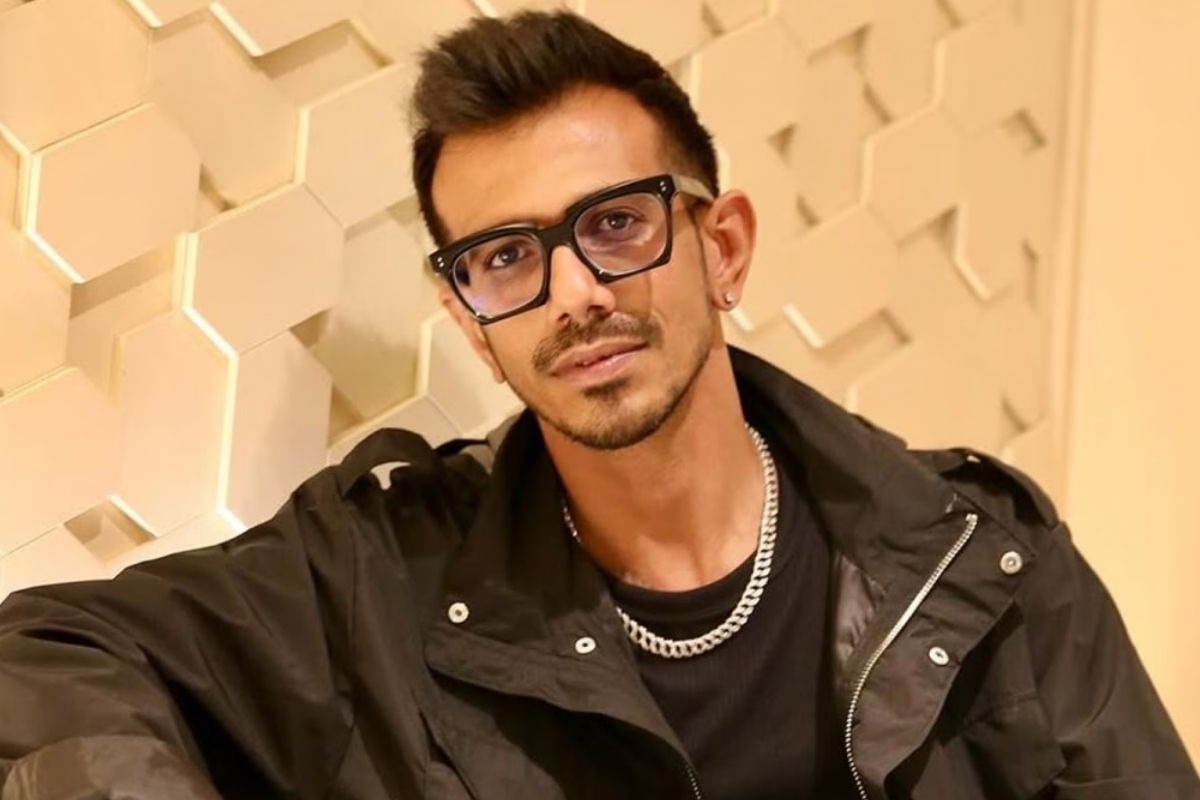
In the end, when the 2026 IPL season starts, Chahal’s bowling won’t be the only thing people are going to be watching. Instead, they will be examining his soul. Yuzvendra Chahal’s recovery journey reminds us that our best years aren’t necessarily behind us. Rather, there are instances when they are patiently waiting for our eyes to focus on them in the future.
Chahal has already won a bigger prize than any trophy by talking about alcohol addiction in celebrity and mental health in sports. With the correct help and a “150% effort” attitude, he has proved that it is possible to get over professional burnout.
FAQs—
1. How has Yuzvendra Chahal’s recovery journey altered the way he trains?
A: He now concentrates on “longevity training”. Specifically, this involves better sleep hygiene and anti-inflammatory nutrition. This helps him keep up his bowling revolutions throughout a long, hard season.
2. What makes it so groundbreaking to talk about mental health in sports?
A: It breaks the “warrior” mentality. Consequently, it lets athletes get assistance for depression and anxiety without worrying that coaches or fans will call them “weak.”
3. Do famous athletes actually get help from Alcoholics Anonymous?
Yes, of course. Alcoholics Anonymous has a framework that makes people feel responsible and gives them a secure, private space to talk about their problems. This is very important for anyone in a high-pressure job.
4. How do I begin my own training in resilience for jobs that are stressful?
A: First, start by looking at your habits. Next, find a mentor who has “been there,” and make mental clarity a major priority as a professional skill.