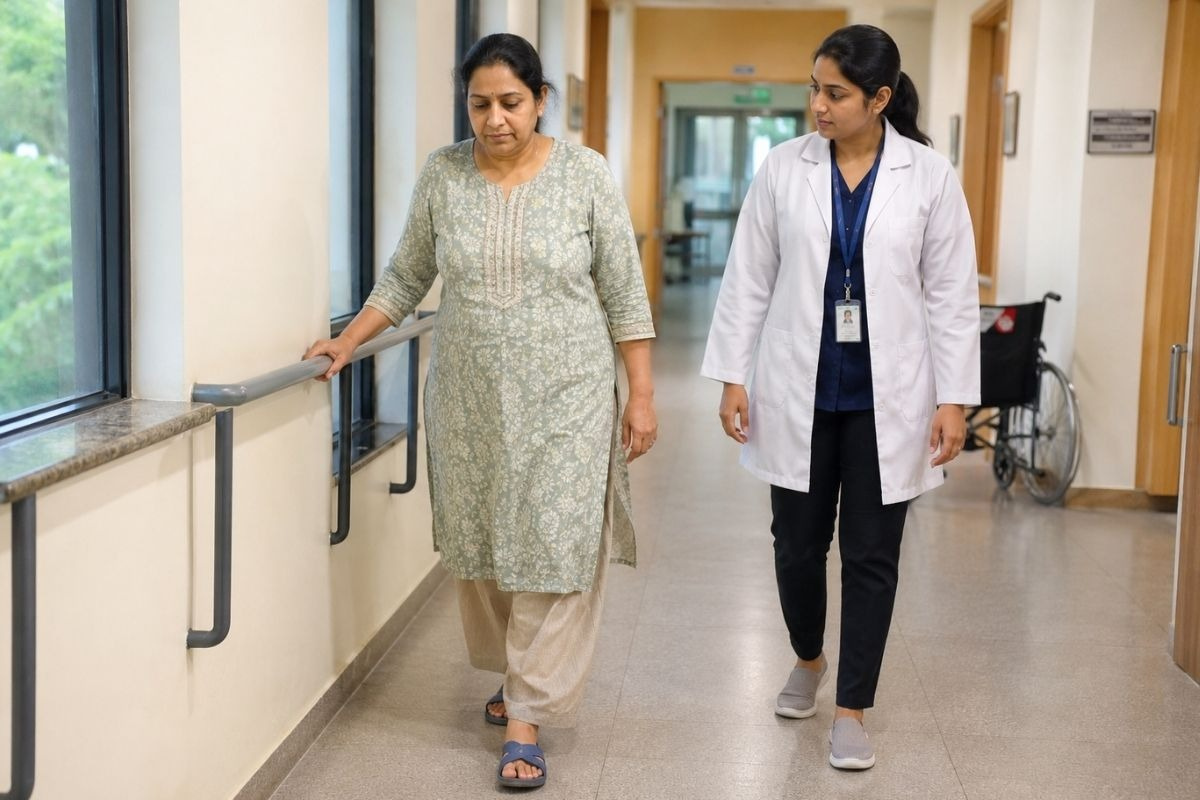
Living with a long-term disease can be like a constant war, and you lose your independence every day. However, good chronic disease management is not just about managing your symptoms day to day; it is about getting your life back.
Ultimately, the correct kind of specialist care can drastically shift the direction of your health. If you’re searching for that rehabilitation centre near me, knowing your options is the first step to long-term recovery.
TL;DR: managing long-term illness needs a dedicated multidisciplinary strategy. To help you in your quest, this guide will share the types of rehabilitation, the function of specialized doctors, what a holistic recovery approach looks like, and a step-by-step plan to find the top recovery centres.
Chronic Disease Management – What It Is and Why It’s Important
Chronic disease management is a holistic multimodal care strategy to lessen the crippling consequences of long-term diseases. Specifically, it is focused on customized treatment, lifestyle change, and rigorous medical supervision.
In other words, it’s more about how the patient functions in daily living and less about the condition itself. For instance, for the elderly, this typically means a particular geriatric rehabilitation program to keep them mobile and prevent dangerous falls.
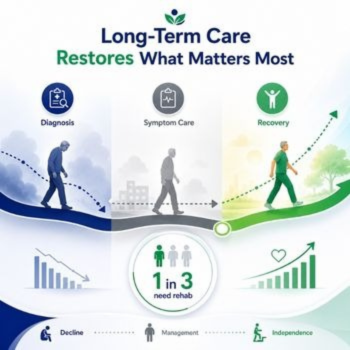
The True Value of Long-Term Care
Unfortunately, the gradual nature of chronic illnesses is often ignored, leading to rapid physical deconditioning and the loss of personal freedom. In fact, global health data reveals that approximately 1 in 3 people worldwide live with a health condition that would benefit from medical rehabilitation. Yet, a vast majority of these individuals lack access to specialized care. To bridge this gap, long-term patient care provides a bridge between hospital treatment and living at home.
[Chronic Condition Diagnosis]
▼
[Routine Medical Care] (Just treats symptoms)
▼
[Rehabilitation] (Restores lifestyle & function)
If there is no planned intervention, such as focused physical therapy, minor physical restrictions might soon turn into permanent disability. Therefore, investing in a comprehensive recovery program is an investment in your autonomy.
What is the role of PM&R in chronic disease management?
Physical Medicine and Rehabilitation (PM&R) doctors, or physiatrists, are the cornerstone of modern-day chronic disease management. Unlike traditional specialists, PM&R doctors treat the whole person rather than just focusing on internal pathology.
To do this, they consider how the condition affects your mobility, cognitive skills, and daily living. Essentially, the entire goal is to maximise your functional independence regardless of the medical diagnosis.
Taking a Holistic Recovery Approach
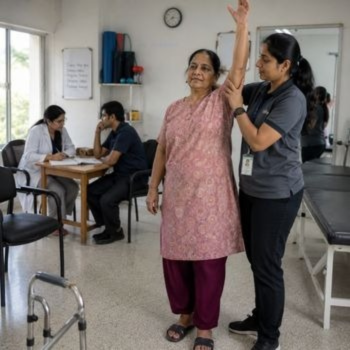
Furthermore, a truly holistic healing approach goes well beyond pharmaceutical drugs. Physiatrists provide personalized treatment regimens that include therapeutic interventions and lifestyle adjustments.
Typical components of such comprehensive programs include novel methods of pain relief, one-of-a-kind assistive equipment, and assessments of psychological health. This strategy promotes self-determination in health by addressing the interconnectedness of a person’s physical, mental, and environmental health.
Chronic Disease Programs: Main Types of Rehabilitation
Cardiopulmonary and Neurological Care
Many medical diseases require highly specialized types of rehabilitation for best clinical outcomes. For instance, respiratory and heart diseases need controlled, supervised physical exercises to safely increase lung capacity and boost stamina.
On the other hand, progressive neurological disorders such as Parkinson’s disease or rehabilitation after stroke require extensive motor relearning therapies. These specialized neuro-programs put a strong emphasis on cognitive rehabilitation and retraining of the patients in basic activities of daily living.
| TYPES OF REHABILITATION | |
| Cardiopulmonary Rehabilitation | Endurance of the heart and lungs |
| Neuro-Rehab | Stroke and motor relearning |
| Geriatric Rehabilitation Program | Balance, Joints & Ageing |
| Oncology Rehabilitation | Fatigue & pain management |
Specialized Care for Musculoskeletal and Age-Specific
Chronic pain, extreme joint stiffness, and age-related muscle wasting require different therapeutic routes. Through a structured geriatric rehabilitation program, older adults can benefit from gentle physical therapy that emphasizes balance to help prevent fractures.
Similarly, specialized oncology rehabilitation helps cancer patients cope with the debilitating fatigue and physical deconditioning that often accompany aggressive medical treatments. Ultimately, the choices you make about your program will directly impact how fast and how well you recover.
Getting Over Obstacles in Recovering with Comprehensive Care
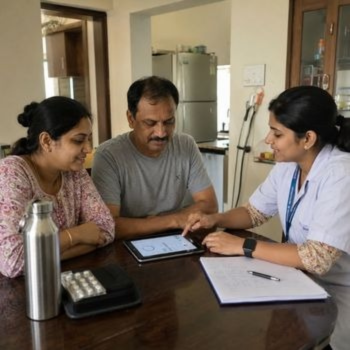
Identifying possible recovery roadblocks is crucial when developing a plan for your long-term wellness. Returning home can be a challenge for many patients due to variable treatment compliance or the absence of ongoing clinical monitoring. These gaps in care are filled by structured chronic disease management, which provides ongoing, data-driven modifications to treatment. In order to maintain patient motivation, specialized clinics use digital health tracking and progressive milestone evaluations.
Additional clinical evidence suggests that secondary health issues can be avoided via the early incorporation of specialist physical therapy. Reducing unanticipated hospital readmissions and emergency department visits is possible when families proactively commit to coordinated chronic disease management. Ultimately, with the help of skilled therapeutic supervision, recovery becomes more than just a temporary fix; it becomes a blueprint for thriving in the long run.
How to Find the Best Centre for Long-Term Recovery
Step 1: Talk with Your Medical Specialist
When you’re trying to find a rehab centre that suits your individual diagnosis, start with your primary care team. Be sure to ask your treating physician or specialist for recommendations you can trust, affiliated with the hospital. This conversation guarantees that your medical history aligns seamlessly with your ongoing chronic disease management goals.
Conveniently, doctors have direct ties to first-class facilities for long-term healing and intricate patient care.
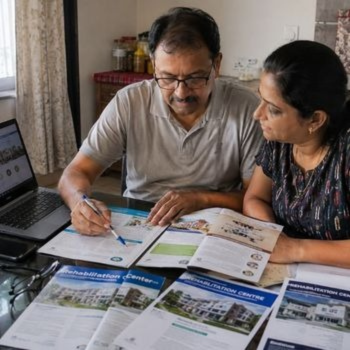
Step 2: Check the Multidisciplinary Team
Naturally, a top facility must use a holistic recovery approach with credentialed medical professionals. Make sure the centre has physical therapists, speech-language pathologists, occupational therapists, and rehab nurses on staff full-time.
Most importantly, confirm that a certified PM&R physician closely oversees the preparation of all individualized treatment plans.
Step 3: Match the Setting to Patient (Your) Needs
Next, evaluate if the patient requires round-the-clock medical monitoring or flexible scheduling.
- Inpatient Residential Centres: Best for patients needing 24/7 nursing care and extensive daily rehabilitation.
- Outpatient Clinics: Perfect for patients who are stable enough to live at home but require regular clinical physical therapy sessions. People can keep working while getting top-notch medical treatment thanks to this versatile choice.
Recommended Treatment Facilities and Options in Your Area
If you are seeking a first-rate rehabilitation centre near me in India, there are a lot of excellent choices that stand out:
- HCAH Stroke & Paralysis Recovery Hospital (South Patel Nagar, Delhi): A leading facility focusing on milestone-based recovery for neurological diseases, chronic pain, and post-surgical situations.
- APARC Health and Motion (Janakpuri, Delhi): Renowned for individualized movement therapy, sophisticated geriatric care, and brain or spine injury rehabilitation.
- Tulasi Healthcare (Mehrauli & Gurgaon): A NABH-accredited facility specializing in comprehensive psychosocial rehabilitation and chronic mental health management.
Questions That Matter to Ask Admissions Teams
Before making any long-term treatment plan commitment, it is wise to call the admissions office of the facility immediately. Gathering precise baseline information is a vital component of successful, safe chronic disease management. By asking some targeted questions, you will make sure you find a rehab centre that satisfies your medical criteria safely:
- Do you have special kinds of rehabilitation that are specific to my condition?
- How many doctors and nurses per patient, in the day and night shifts?
- Who is the designer of your geriatric rehabilitation program protocols? Is it a PM&R-qualified physician?
- What are the exact emergency measures you have in place for sudden medical complications?
Conclusion: Start Your Journey Now

Chronic disease management is best done with a proactive approach and the correct professional support system. Medication alone is rarely enough to restore your everyday physical function and long-term independence.
Instead, when you choose a dedicated institution that provides a holistic recovery approach, you will have the exact tools, therapies, and medical knowledge you need to change your daily health.
So, don’t let your mobility or comfort worsen any longer. Your next step is to investigate your local possibilities, gather your medical records, and contact a specialized rehabilitation centre near me to book an initial visit. Give yourself or a loved one the power of skilled care today.
FAQs
Q 1. What is the length of a typical chronic disease management program?
A: How long this takes depends on how sick you are and your progress in getting better. Inpatient treatment for long-term recovery could take from a few weeks to months to complete, and outpatient treatment can be indefinite.
Q 2. Can a geriatric rehab program relieve the discomfort of severe arthritis?
A: Yes. In fact, an intensive geriatric rehabilitation program combines low-impact physical therapy, joint mobilization, and pain management strategies to increase mobility and decrease chronic inflammation.
Q 3. How is a holistic healing strategy different from typical physical therapy?
A: Standard therapy frequently involves only local strengthening of the muscles. Conversely, a holistic rehab strategy includes physical conditioning together with psychological assistance, nutritional modifications, and lifestyle training for holistic long-term patient care.
Q 4. How do I find a good rehab centre near me fast?
A: First, ask your main doctor for a direct referral. Then, look for local NABH-accredited hospitals and make sure that they have a dedicated multidisciplinary medical staff.