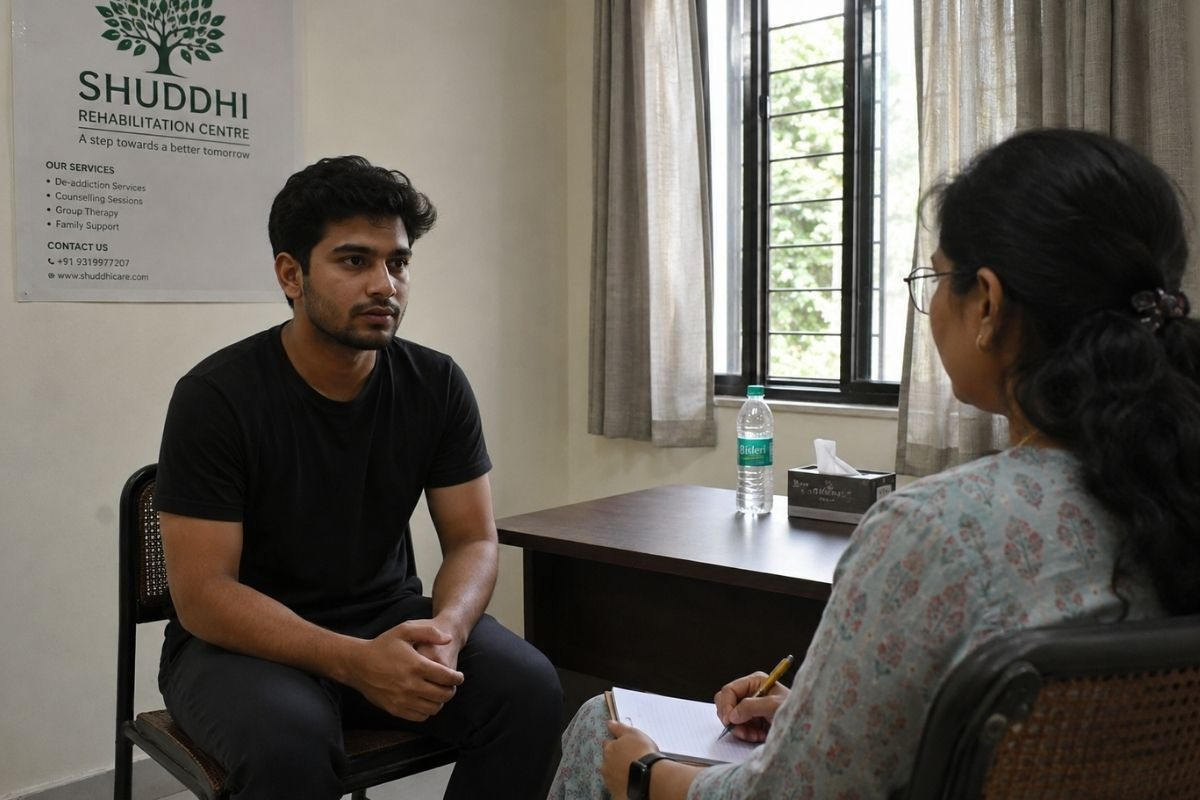
Finding help for alcohol addiction is difficult enough. When alcohol use is combined with drug use, prescription medicine misuse, opioid dependence, cannabis use, synthetic substances, or repeated relapse, families often feel unsure where to begin.
Should they look for an alcohol rehabilitation centre, a drug de-addiction centre, a Nasha Mukti Kendra, a detox facility, or a full residential rehab?
The practical answer is that many integrated addiction treatment centres in India can support more than one substance use problem under one roof, but families should not assume that every centre is equipped for every case. Alcohol withdrawal, opioid dependence, stimulant use, mental health symptoms, medical conditions, and relapse history all require careful assessment. The Ministry of Social Justice and Empowerment’s Nasha Mukti Bharat Abhiyaan also frames the response to substance abuse through awareness, treatment, and rehabilitation, reinforcing the need for structured care rather than blame or secrecy.
Key Takeaways

- Alcohol and drug addiction can often be treated in one integrated rehab setting, but suitability depends on the patient’s substance use pattern, withdrawal risk, mental health status, and medical condition.
- A centre that treats both addictions should offer assessment, detox support, psychiatric consultation, counselling, relapse prevention, family sessions, and aftercare planning.
- Families should ask whether the centre handles alcohol withdrawal, opioid dependence, prescription drug misuse, cannabis use, stimulant use, or multiple substance use.
- A safe rehab centre should provide written program details, house rules, emergency protocols, staff qualifications, privacy policies, and discharge planning.
- Detox-only care is not the same as full rehabilitation; many patients need therapy, routine building, family work, and relapse support after detox.
- Cost should be assessed alongside treatment duration, staff availability, medical supervision, room type, therapy frequency, and aftercare support.
- Find Rehab Centres helps users compare rehab options across India, shortlist facilities, and evaluate treatment suitability before making enquiries.
Understanding the Treatment Need
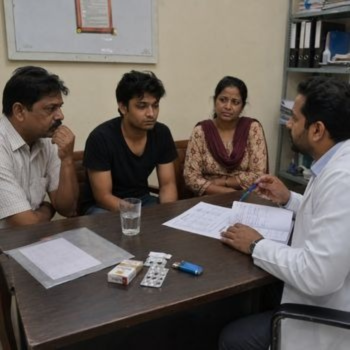
Families should look for integrated alcohol and drug rehabilitation centres when a person is using alcohol along with opioids, cannabis, prescription medicines, stimulants, tobacco, or other substances. These cases often need medical assessment, detox planning, psychological support, relapse prevention, and family counselling in one coordinated treatment pathway.
Addiction rarely fits into a neat category. A person may drink heavily and also use sleeping pills. Someone else may use opioids and alcohol together. A young adult may shift between cannabis, party drugs, gaming-related isolation, and binge drinking. Another person may have stopped one substance but started another after a stressful relapse.
That is why it helps to understand the difference between substance-specific care and integrated care. The World Health Organization and UNODC describe treatment for drug use disorders as something that should be evidence-based, ethical, and responsive to individual needs. That principle matters in India because families often search urgently and may not know whether the centre they are considering has the right medical, psychiatric, and counselling support.
Why “Under One Roof” Care Matters
An integrated centre can reduce confusion by coordinating the key parts of treatment in one place. Instead of sending a family separately to a detox clinic, counsellor, psychiatrist, residential rehab, and aftercare group, a well-organized centre may bring these services into a structured plan.
This is especially important when the patient has:
- Alcohol use with opioid use
- Alcohol use with prescription sedative misuse
- Drug use with depression, anxiety, trauma, or suicidal thoughts
- Repeated relapse after short detox stays
- Family conflict, denial, or treatment refusal
- Medical concerns such as liver problems, diabetes, seizures, or sleep disorders
- Social or occupational breakdown linked to substance use
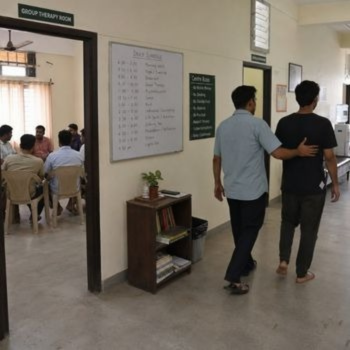
When Families Should Seek Urgent Medical Advice
Families should not try to manage severe withdrawal at home. Alcohol withdrawal can sometimes become medically serious, especially after long-term heavy drinking. Opioid withdrawal, sedative withdrawal, and mixed substance use can also need professional monitoring. A centre should be honest about whether it can manage the severity of the case or whether hospital-based care is safer.
Treatment Options Available
Alcohol and drug rehabilitation centres in India may offer detoxification, inpatient or residential rehab, outpatient counselling, psychiatric care, group therapy, family counselling, relapse prevention, support groups, and aftercare. The right option depends on withdrawal risk, addiction severity, mental health needs, safety concerns, and family support.
A centre that claims to treat both alcohol and drug addiction should be able to explain what level of care is available and what happens at each stage. NIMHANS Centre for Addiction Medicine describes addiction care using medical interventions for withdrawal and relapse prevention, individual and group counselling, family counselling, and aftercare, which reflects the kind of multi-component support families should look for.
Detoxification
Detox is the process of helping the body withdraw from alcohol or drugs as safely as possible. It is not a complete recovery plan by itself. Families can review treatment and understand why medical screening, withdrawal monitoring, and step-down planning matter.
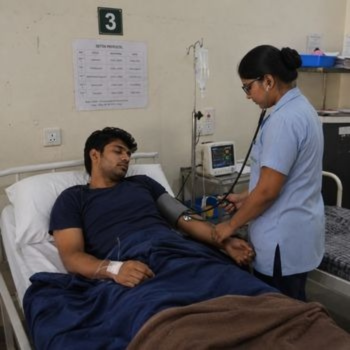
A suitable centre should explain:
- Whether detox is available on-site
- Whether detox is medically supervised
- What substances the detox team is experienced with
- What happens if withdrawal becomes severe
- Whether there is a hospital tie-up or emergency transfer protocol
- How detox connects to counselling and rehabilitation
Residential care
Inpatient residential care gives the patient a structured environment away from triggers, substance access, peer pressure, and daily conflict. It may be helpful for patients with repeated relapse, unsafe home environments, strong cravings, or limited family support. A residential program may include routine building, counselling, group sessions, fitness, meditation, relapse prevention, family sessions, peer support, and discharge planning.
Outpatient and Step-Down Treatment
Not everyone needs residential admission. Some patients may benefit from especially if their withdrawal risk is lower, they have stable family support, and they can attend regular therapy or medical follow-ups. Outpatient care can also work as step-down support after residential rehab.
Therapy and Behavioral Support
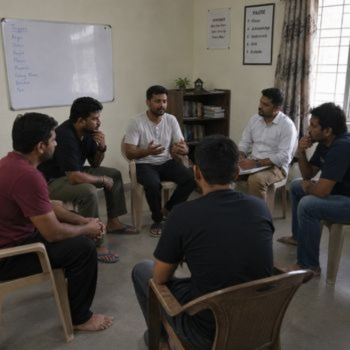
Therapy helps patients understand triggers, cravings, emotional patterns, denial, relapse cycles, trauma, stress, and relationships. A centre that treats both alcohol and drug addiction should be able to explain whether it offers individual counselling, group therapy, motivational work, relapse prevention, family counselling, or evidence-informed approaches. Families can use FRC’s overview of types of treatment therapies to compare therapy models more confidently.
How to Evaluate Rehab Centres
To evaluate a rehab centre that treats both alcohol and drug addiction, ask about staff qualifications, detox capability, psychiatric support, therapy schedule, patient safety, house rules, family involvement, cost transparency, relapse planning, reviews, and aftercare. Avoid centres that promise guaranteed results or refuse to explain their treatment process.
Families often search “best rehab centre near me” or “reliable Nasha Mukti Kendra near me” during a crisis. Speed matters, but safety matters more. A centre should be willing to answer practical questions before admission. If answers are vague, aggressive, overly promotional, or focused only on quick admission, families should slow down and compare alternatives.
A helpful starting point is FRC’s checklist before choosing a de-addiction centre in India, especially when the patient has more than one substance use concern.
Questions Families Should Ask Before Admission
| What to Ask | Why It Matters |
|---|---|
| Do you treat both alcohol and drug addiction? | Confirms integrated care rather than single-substance support |
| Do you provide detox or only rehabilitation? | Detox and rehab are different treatment stages |
| Is a doctor or psychiatrist involved? | Important for withdrawal, medication, mental health, and relapse risk |
| What therapies are offered weekly? | Helps compare real program depth |
| Are family sessions included? | Addiction affects the family system, not only the individual |
| What are the house rules? | Reduces conflict after admission |
| What happens during relapse after discharge? | Shows whether aftercare is taken seriously |
| Is pricing written and transparent? | Prevents confusion around hidden costs |
| What safety systems are in place? | Important for vulnerable patients and severe withdrawal cases |
Red Flags to Watch For
Be careful with any centre that:
- Guarantees a cure
- Claims a fixed success rate without evidence
- Does not allow families to understand the treatment plan
- Uses punishment, shame, intimidation, or forced practices
- Refuses to discuss medical emergency protocols
- Avoids explaining staff qualifications
- Pressures the family to decide immediately
- Does not provide written cost details
- Treats all patients with the same routine regardless of substance, age, gender, mental health, or medical needs
Families can begin comparing suitable options through Find a Rehab Centre Near You when they need a clearer shortlist instead of relying only on scattered online searches.
Local Treatment Availability
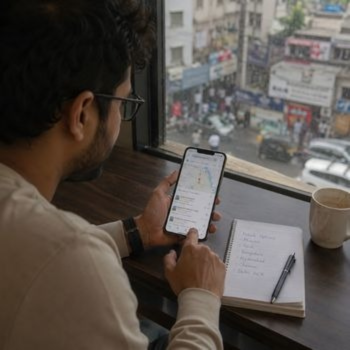
Integrated alcohol and drug rehabilitation centres are available across many Indian cities, but treatment quality and program suitability can vary. Families should compare local centres by detox capability, clinical team, therapy frequency, safety standards, family involvement, cost, reviews, and aftercare options.
India’s treatment landscape is broad. A family searching for a rehab centre in Delhi may have different choices from someone searching for a Nasha Mukti Kendra in a smaller town. A drug de-addiction centre in Bengaluru may offer a different program model from an alcohol rehabilitation centre in Chennai or a residential rehabilitation centre in North India.
FRC supports nationwide rehab discovery across cities and states, which helps families compare nearby options without depending only on word-of-mouth. For example, families can review rehab centres in Delhi, compare rehab centres in Bengaluru, or explore rehab centres in Chennai when location is a major factor.
What Local Searchers Should Compare
| Local Search Need | What to Compare |
|---|---|
| Rehab Centre in Delhi | Detox access, psychiatric support, family visiting rules, privacy |
| Nasha Mukti Kendra in Punjab or Haryana | Substance-specific experience, relapse support, family counselling |
| Drug De Addiction Centre in Bengaluru | Therapy model, mental health support, outpatient step-down care |
| Alcohol Rehabilitation Centre in Chennai | Alcohol withdrawal management, liver health screening, aftercare |
| Rehabilitation Centre in Maharashtra | Cost, room type, staff ratio, family involvement |
| De Addiction Treatment in Kerala or Karnataka | Holistic care, clinical oversight, language comfort |
| Addiction Recovery in Uttar Pradesh or Rajasthan | Safety, daily routine, emergency protocols, counselling depth |

What Families Should Consider
Families should choose a centre based on clinical suitability, not fear or social pressure. Important factors include patient safety, withdrawal risk, mental health needs, family counselling, privacy, communication, program structure, patient rights, aftercare, and whether the centre treats the person with dignity.
Alcohol and drug addiction can bring anger, shame, financial stress, broken trust, and fear into the home. Families may want quick change, while the patient may deny the problem or resist admission. A good centre helps both sides understand treatment calmly.
FRC’s family support resource on emotional and practical support for an addict can help caregivers avoid blame-driven conversations and move toward safer decision-making.
Matching the Centre to the Patient
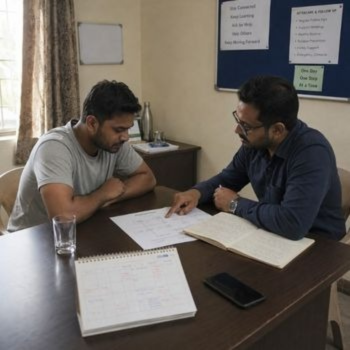
A centre may be suitable for one person and unsuitable for another. Families should consider:
- Age and gender
- Substance type and duration
- Previous relapse history
- Medical conditions
- Mental health symptoms
- Language comfort
- Diet or religious preferences
- Need for women-specific or LGBTQ+ affirming support
- Level of family involvement possible
- Whether the person needs detox, residential care, outpatient care, or aftercare
For women who may need privacy, safety, trauma-sensitive care, or female staff availability, FRC’s page on women’s-only rehabs can help families understand what to ask.
Why Aftercare Should Be Discussed Early
However, recovery planning should not begin on discharge day. A centre should explain what happens after the patient leaves: follow-up counselling, support groups, relapse warning signs, family boundaries, medication follow-up, and emergency contacts. FRC’s guide to after and continuing care can help families understand why post-rehab support is often essential.
Costs, Programs & Support
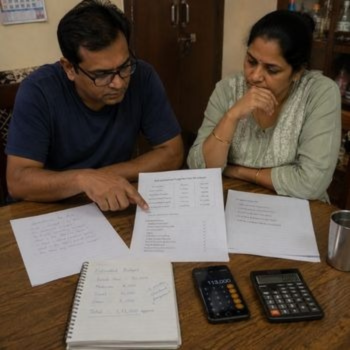
Rehab costs in India vary by city, treatment duration, room type, medical supervision, detox needs, therapy frequency, staff qualifications, amenities, and aftercare support. Families should ask for written pricing, refund terms, included services, emergency charges, medication costs, and whether insurance or financial assistance may apply.
Additionally, Cost is one of the hardest parts of choosing a rehab centre. Some families want affordable care. Others need privacy, single rooms, medical detox, or specialized mental health support. The right question is not simply “Which centre is cheapest?” It is “Which centre is safe, suitable, transparent, and realistic for the patient’s needs?”
FRC’s guide on paying for addiction treatment can help families compare financial factors without falling for vague packages or unclear promises.
What Should Be Included in a Program Discussion?
Before admission, families should ask whether the quoted cost includes:
- Intake assessment
- Medical consultation
- Psychiatric consultation, if needed
- Detox support
- Medicines
- Accommodation
- Food and hygiene support
- Individual counselling
- Group therapy
- Family counselling
- Yoga, meditation, or wellness activities
- Emergency transfer costs
- Aftercare sessions
- Follow-up support
Support Groups and Community Recovery
Many people benefit from peer support alongside clinical care. Therefore, support groups are not a replacement for medical detox or psychiatric care, but they may help patients maintain accountability and reduce isolation after treatment. Families can explore FRC’s resource on support groups for de-addiction and also search for addiction related meetings near you as part of aftercare planning.
When to Contact FRC for Help Shortlisting
If the family is unsure whether the patient needs detox, residential rehab, outpatient counselling, women-specific care, language support, or dual diagnosis support, it may help to compare options before calling multiple centres. Families can contact Find Rehab Centres for guidance on shortlisting suitable treatment options.
Conclusion
Alcohol and drug rehabilitation under one roof can be the right choice when a person is dealing with multiple substances, repeated relapse, withdrawal risk, mental health concerns, or family instability. But the phrase “under one roof” should mean more than admission into a facility.
For individuals and families across India, Find Rehab Centres can support the search process by helping users explore treatment categories, compare centre options, review local availability, and understand what kind of care may be appropriate before making an enquiry.
FAQs—
Q1. Do rehab centres in India treat both alcohol and drug addiction together?
A: Yes, many rehabilitation centres and Nasha Mukti Kendras in India support both alcohol and drug addiction, but services vary by centre. Families should confirm whether the centre handles the specific substances involved, offers detox support, has medical or psychiatric access, provides counselling, and creates an aftercare plan. Not every facility is suitable for severe withdrawal or complex mental health cases.
Q2. What type of centre is best for alcohol and opioid addiction under one roof?
A: A centre treating alcohol and opioid addiction should ideally offer medical assessment, supervised detox or hospital linkage, psychiatric consultation, counselling, relapse prevention, and family support. However, opioid dependence and alcohol withdrawal may require different clinical protocols, so families should ask about experience with both. Centres should be transparent about medication policies, emergency care, and follow-up treatment.
Q3. Is detox enough for alcohol and drug addiction recovery?
A: Detox can help manage withdrawal, but it is usually only the first stage of recovery. Long-term change often needs counselling, routine building, relapse prevention, family work, mental health support, and aftercare. A detox-only centre may be useful in some cases, but families should ask how the patient will continue treatment after withdrawal symptoms reduce.
Q4. How can families compare rehab centres safely?
A: Families should compare staff qualifications, detox capability, therapy schedule, room conditions, safety rules, reviews, cost transparency, family counselling, and aftercare support. They should avoid centres that guarantee a cure or refuse to explain the treatment plan. Written admission details, house rules, pricing, and emergency policies can help families make safer decisions.
Q5. How long does treatment take for alcohol and drug addiction?
A: Treatment duration depends on the substances used, withdrawal risk, addiction severity, relapse history, mental health condition, family support, and the type of program chosen. The centre should recommend duration after assessment, not through a generic package.