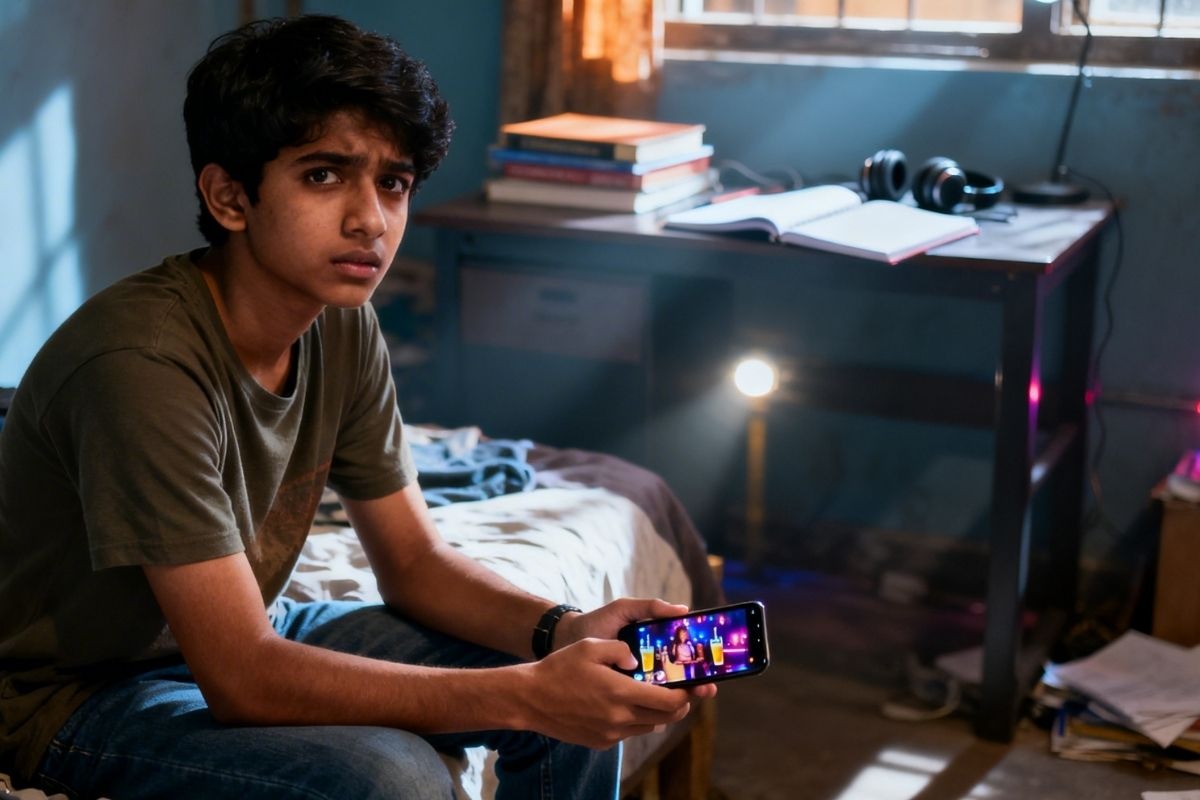
Let’s talk about something really essential and, to be honest, a little scary: the world that our youngsters are growing up in. The strong influencer impact on youth nowadays means they have to deal with a life full of screens, quick pleasure, and a never-ending digital show. We agree that technology can be helpful, but it can also lead to bad behaviours quickly, and drug usage is one of the most worrying. Consequently, we need to catch up with this.
Think about it: Instagram, Snapchat, and YouTube, the platforms that connect us, are now discreetly but aggressively moulding risky behaviour, especially among teens and other young people. Digital exposure, peer pressure, and the glamorization of drug usage are all becoming more and more linked to this epidemic.
Ultimately, this post explains in detail how social media is causing early addiction and what we, as a community, need to do to stop it.
Let’s get into it right away!
Figuring Out the Subtle Ways a Social Media Influencer Shapes Risky Behaviour
We frequently think that problems with influencers are merely lousy marketing, but they are much more than that. The way a social media influencer works today is bad for your and everyone’s psychological health.
Furthermore, our sources show that young people are being exploited or hurt in six main areas:

- Harmful products: It’s not just illegal drugs; there are also all kinds of harmful things that are made to look cool and necessary.
- False information: On social platforms, facts aren’t as important. Youth are taking in a lot of false stories and reduced truths about drugs and alcohol, and their impact.
- Unrealistic Beauty Standards: This one is really important. When influencers talk about body ideals that aren’t possible to reach naturally, it makes a lot of people unhappy with their bodies and can lead to eating disorders. Crucially, here’s where addiction comes in: the stress gets so bad that some adolescents turn to drugs to deal with it, as a means to “get out of this.” This shows how deeply harmful the influencer’s impact on youth may be.
- Culture of Comparison: They compare their real, chaotic lives to a friend’s or a social media influencer’s perfect, edited highlight reel every time they scroll. This makes people feel quite inadequate.
- Deceptive Consumption: Ads and real posts are mixed together so well that it’s hard for young people to tell that they’re being sold to.
- Privacy Issues: Their data is being used to send very convincing, tailored ads for harmful or useless things straight to their feeds.
In essence, these things keep young people stressed and feeling bad about themselves all the time, which is the perfect emotional mix for wanting to escape through drugs. Here, we can clearly see the negative influencer impact on youth, driving this escapism.
How the Digital Space Glamorizes and Accelerates Drug Experimentation
It’s not a coincidence that more people are abusing drugs and alcohol because of their digital lives. The digital world has ways of pushing youngsters to make bad choices. Moreover, teens who viewed cannabis or e-cigarette posts from influencers were more likely to have used the substance, according to a study released in June 2025. This study underscores the direct, measurable influencer impact on youth.
Some more:
Social Media Addiction Leading Youth to Drugs for Escape:

It’s strange, but the digital world, which is supposed to be a place to connect, can be really stressful. There is a lot of loneliness and cyberbullying there. Consequently, for a young person who is addicted to social media and feels the strain of constant comparison, doing drugs is an easy way to cope, and that is often validated online.
It all leads to a bad cycle: the anxiety caused by the screen pushes them to drugs as a way to escape, which starts a “dangerous cycle of dependency.” Therefore, today, the first line of defence against drug usage is to discover ways to teach people how to stop social media addiction.
Unfiltered Access: What Happens When Influencer Impact on Youth Takes the Place of Education:
If you closely look at platforms now, you’ll see content that always shows booze, weed, or party drugs as “cool, rebellious, or freeing.” A lot of the time, this happens because of a well-known social media influencer or even just friends. They depict the “party vibes” but never the consequences, creating the story utterly wrong and “normalising addiction before it even starts.”
Youth may now have access to drug culture 24 hours a day, or through memes that show “it’s not that serious. Later, what happens is that a lot of young people learn more about how drugs work from social media than from real, fact-based lessons. This continuous access is a massive part of the negative influence of social media.
FOMO’s Role: Why Peer Pressure Works Around the Clock:-

Young people may not be that easily influenced, but the negative influence of social media makes peer pressure a constant, overwhelming force. For example, when they witness friends or popular accounts doing drugs, they feel a kind of pressure to “try it once” to fit in.
Their deep-seated fear of missing out (FOMO) makes people take chances they would not normally take. Ultimately, one of the most potent parts of the influence of collective influencers’ impact on youth is the pressure from within their peer group.
The Silent Crisis: Why Action Must Be Taken Right Away
The scary issue is that this trend is often hard to see. Too often, family, teachers, and even friends overlook the important warning signs because the first experiments happen online and in private.
Sadly, early drug usage, which is often caused by the strong negative influence of social media and the stress of social media addiction, leads to terrible, long-lasting effects:
- Long-term injury to the brain and mind.
- Poor performance and failing in school.
- Unsafe sex, violence, and accidents are all examples of risky behaviour.
- A significantly heightened chance of persistent addiction in maturity.
These effects make it evident that we need to act quickly and early, and our substance use treatment facilities need to change entirely. We can say that addressing the hidden influencer impact on youth is a matter of public health urgency.
New Models for Substance Use Treatment: Fighting Fire with Knowledge
Addiction treatment facilities that are ahead of the curve are not disregarding the digital world; instead, they are bringing it into their work and services. The conventional ways of treating grown-ups won’t work for a generation that grew up with a lot of influence from social media. Therefore, treatment must communicate in their language, recognise their digital existence, and involve them in their current context.
Digital Detox and Screening: A New Way to Think About the Intake Process
The first step in this new approach to substance use treatment is a shift in assessment:

- Digital Behaviour Screening: A lot of treatment centres now check how much time patients spend on social media, how much their friends affect them, and how much they are exposed to the internet. In addition, finding the psychological causes of addiction in their digital lives is very important for making accurate recovery strategies.
- Digital Detox and Routine Reset: Similarly, structured digital detox routines are becoming part of many rehabilitation programs. They slowly get young people to stop using screens in negative ways and instead give them healthy, creative activities and ways to connect with others offline. These days, learning how to break a social media addiction is now an important aspect of therapy.
- Person-centred Counselling: Teen and young adult counselling has evolved into an interactive form of specialised counselling. This approach encourages reflection and emotional expression through the use of role-playing, examination of digital media, and storytelling.
- Giving Families Power: Many parents are unaware of the impact that internet platforms have on their young family members. In order to help parents identify warning signs, establish reasonable limits, and enhance communication with their children, many centres now regularly provide family education programs.
Outside the Clinic, What Can Communities Do to Regulate the Influencers’ Impact on Youth
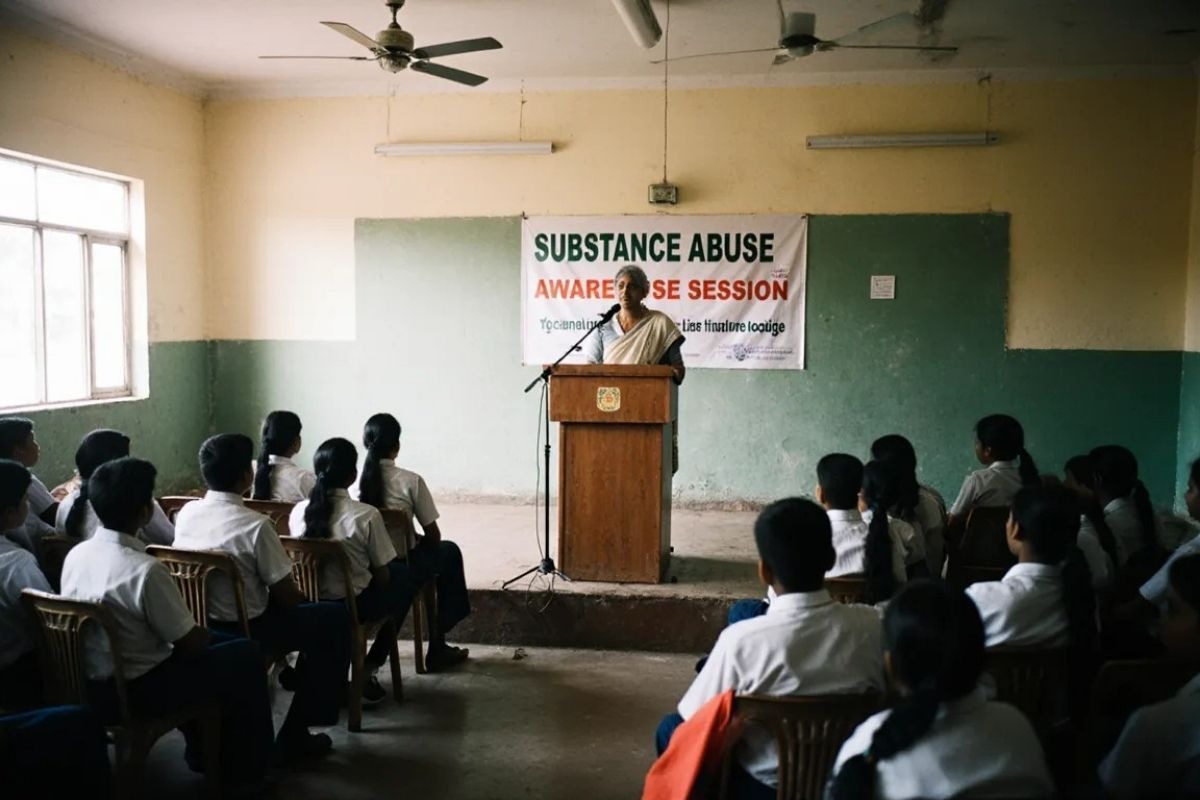
It’s a cultural issue as much as a medical one. Therefore, the only way to address the issues caused by social media is for our communities to take action. Our task is to:
- Launch comprehensive initiatives to promote digital literacy.
- Gather people together for seminars on substance abuse that speak out against the normalisation of drug and alcohol use on social media.
- Launch early screening and preventative initiatives in collaboration with rehabilitation centres.
We collectively need to understand that failure to adapt our approaches to the massive platforms impacting our youth could result in the loss of an entire generation. It must be recognised and combated by all parties involved if we are to put an end to early addiction and severe influencer impact on youth. And again, this includes communities, substance treatment providers, and parents.