When “Just One Drink” Is No Longer Just One. To be honest, most young Indians don’t think they will ever require alcohol rehab. It’s meant for “someone else,” someone older, someone who lost control. However, in 2026, treatment centres all around India are experiencing a totally different situation.
House parties, binge drinking on the weekends, business parties, and nightlife fueled by social media showing off influence have all subtly changed the current drinking habits. Consequently, what used to feel like a rare event now feels normal. And somewhere between “I’ll just have one” and “I need this to relax,” a lot of young adults are starting to realise that their relationship with alcohol isn’t as casual as it seems.
That is precisely why more people are choosing alcohol rehab treatment on purpose, as a proactive choice rather than a last resort.
India’s Drinking Habits Are Changing Quickly
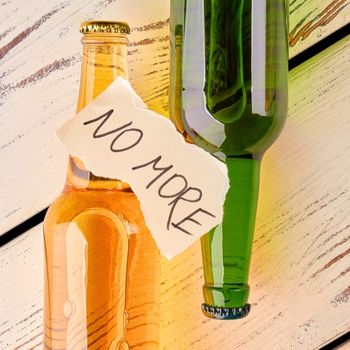
The story of India’s alcohol use isn’t slowing down. It’s actually becoming faster. In early H1 2025, consumption grew by 7%, which was faster than most other global economies. At present, premium spirits are highly popular right now, Indian whisky is still the best, and RTDs are everywhere, from fridge shelves to house parties.
At first glance, it seems like the economy is growing in line with people’s hopes for a better life. But if you examine more closely, you’ll notice that these changing drinking habits and patterns have diverse effects on young people. Because drinking isn’t just for special occasions anymore; it’s a part of people’s weekly lives. Ultimately, this change has been a big part of the rise in alcohol addiction in India, especially among Gen Z and Millennials.
“FOMO,” “Sober Shaming,” and Social Media
Spend five minutes looking at Instagram or Facebook. What do you see? Cocktails, bars on the roof, party reels, and pretty drinks. In this internet age, alcohol is more than just a drink; it’s content.
Furthermore, people in cities typically ask questions when someone doesn’t drink. “Why aren’t you drinking?” This all turns into peer pressure. This dread of missing out discreetly keeps people drinking too much and having unhealthy drinking habits, even those who don’t like alcohol that much.
As a result, rehab professionals now claim that a lot of young individuals go to alcohol rehab not because they reached rock bottom, but because they’re tired, mentally, emotionally, and socially, from trying to keep up with all these normalizations.
The Myth of Stress Relief and Alcohol Addiction in India
Beyond social pressure, here’s another hard truth: drinking isn’t only a social thing; it’s also a way to heal. That is what people say, though.
Young Indians are under constant pressure in the work culture of 2026, which is all about getting things done. Long hours, not knowing if you’ll have a job, and burnout are all frequent. It seems like alcohol is an easy way to turn off. However, this way of dealing with things leads to alcohol addiction in India over time, especially when tension and worry aren’t managed.
Many rehabs suggest that young people who go there have both a mental health problem and an addiction. This is why alcohol rehab and treatment look so different today than they did in the past.
How Alcohol Rehab and Rehabilitation Centres Are Changing
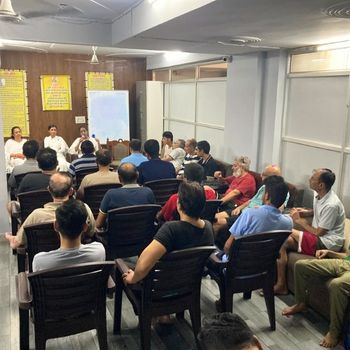
Now, forget the old idea of recovery as a chilly, repressive place. In 2026, youth-focused treatment and rehabilitation centres feel more like places to get better than places to go to institutions.
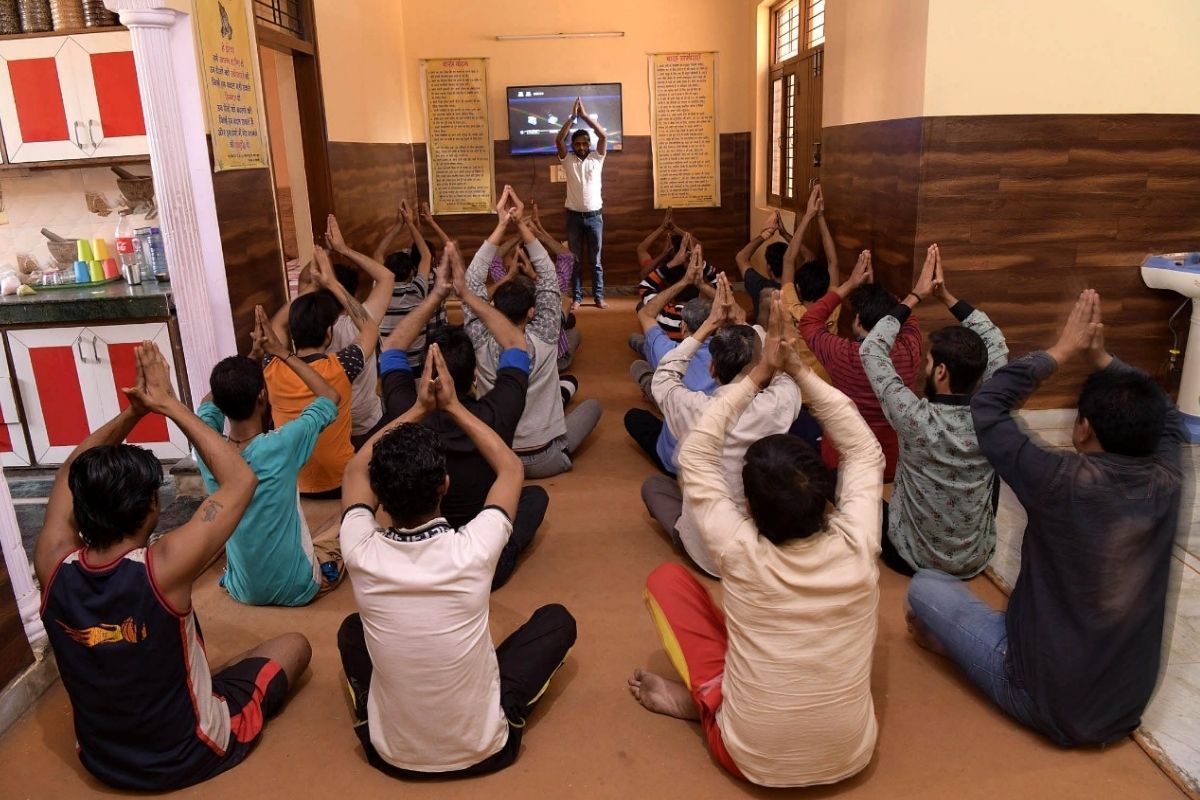
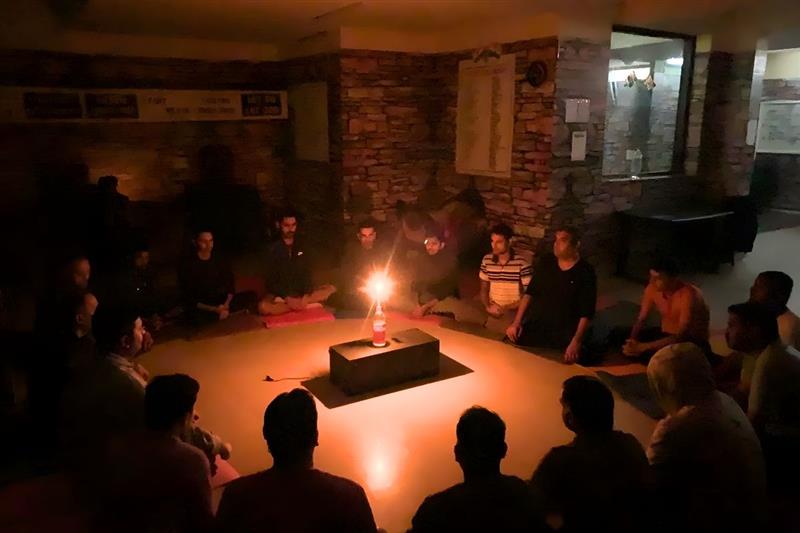
These new-age alcohol rehab programs are all about therapy, being more self-aware, and learning new life skills. For instance, yoga makes you less stiff. Nature is a substitute for confinement. Also, group discussions take the place of individual evaluations or judgment.
Finding out why you needed alcohol initially is more important than just stopping drinking. For younger people, who place a premium on autonomy and dignity, this alteration has opened the door to a more realistic prospect of rehabilitation.
Helping the Entire Person with Dual Diagnosis Treatment
Dual diagnosis treatment is one of the most important advances in alcohol rehab now. This method recognises something important: addiction almost never happens by itself.
The thing is, anxiety, sadness, ADHD, or unresolved trauma frequently underlie alcohol consumption. Psychiatrists and addiction counsellors work together to treat both problems at the same time in dual diagnosis treatment.
Additionally, neurofeedback and biofeedback systems are increasingly common in rehabilitation centres. With their help, medical professionals can monitor their patients’ brain waves in real time as they react to stress and relaxation. With this, the new generation Z is inspired and motivated by seeing the science behind healing.
In addition, creative therapies, such as music, art, or even horse-assisted therapy, may also help individuals with dual illnesses comprehend and cope with their conditions.
Maintaining Sobriety, Healing, and Reintegration into Life Following Treatment
Time spent at a facility is essential, but what really matters is what happens after treatment ends. For those who leave an alcohol rehab clinic in 2026, the programme will still be running.
To address this issue, young professionals can seek out sober living homes and halfway houses in large metropolitan cities such as Bangalore, Mumbai, and Delhi NCR. People and their families are not isolated in these places, which is a life-saving quality.
Furthermore, rehabs also work with sober-curious communities. At times, people don’t realise how important this is. At the essence of this is when someone decides to go out of their way to find a rehab; they are not simply choosing treatment; they are also selecting a new way to live.
A Change in Culture, Policy, and Modern Direction
On a broader scale, the Nasha Mukt Bharat Abhiyaan and other government programs are still raising awareness. However, the real change is happening through new rehabilitation centres and models that focus on lifestyle.
Particularly, private recovery clinics are changing how people think about addiction, saying it’s a health problem instead of a moral failing.
In addition to these systemic and cultural shifts, now workplaces include substance abuse support in wellness programs. Simultaneously, rehab for alcoholism is also becoming covered by an increasing number of insurance policies. Concurrently, low-or no-alcohol drinks are gaining popularity, which is modifying people’s drinking habits without the fear of missing out, FOMO.
Yet, the secret to long-term success is usually locating and finding a rehab that provides excellent aftercare.
Today, Recovery is the New Cool-Trend
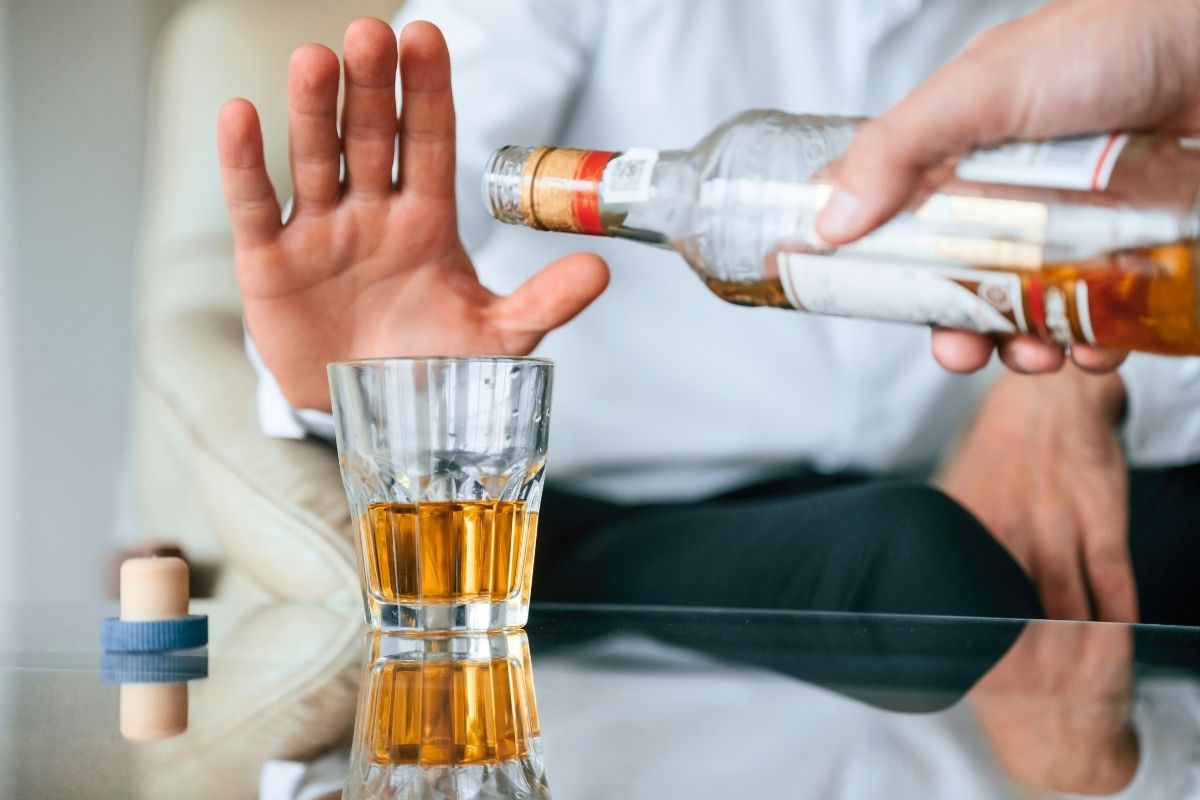
At best, getting into alcohol rehab or therapy in 2026 shows self-awareness, not failure. In fact, young people of India are altering the definition of success, standing up to the party culture, and prioritising their own mental health over external validation.
Fortunately, there are now progressive rehabilitation clinics, easily accessible dual-diagnosis treatment, and more helpful aftercare networks. So, the path to recovery is no longer a lonely one. A mental reset is what it is.
More and more people in India are discussing alcoholism, and one thing is becoming clear: the future isn’t about giving up on life; it’s about making a conscious decision to live it, in the here and now, without alcohol.