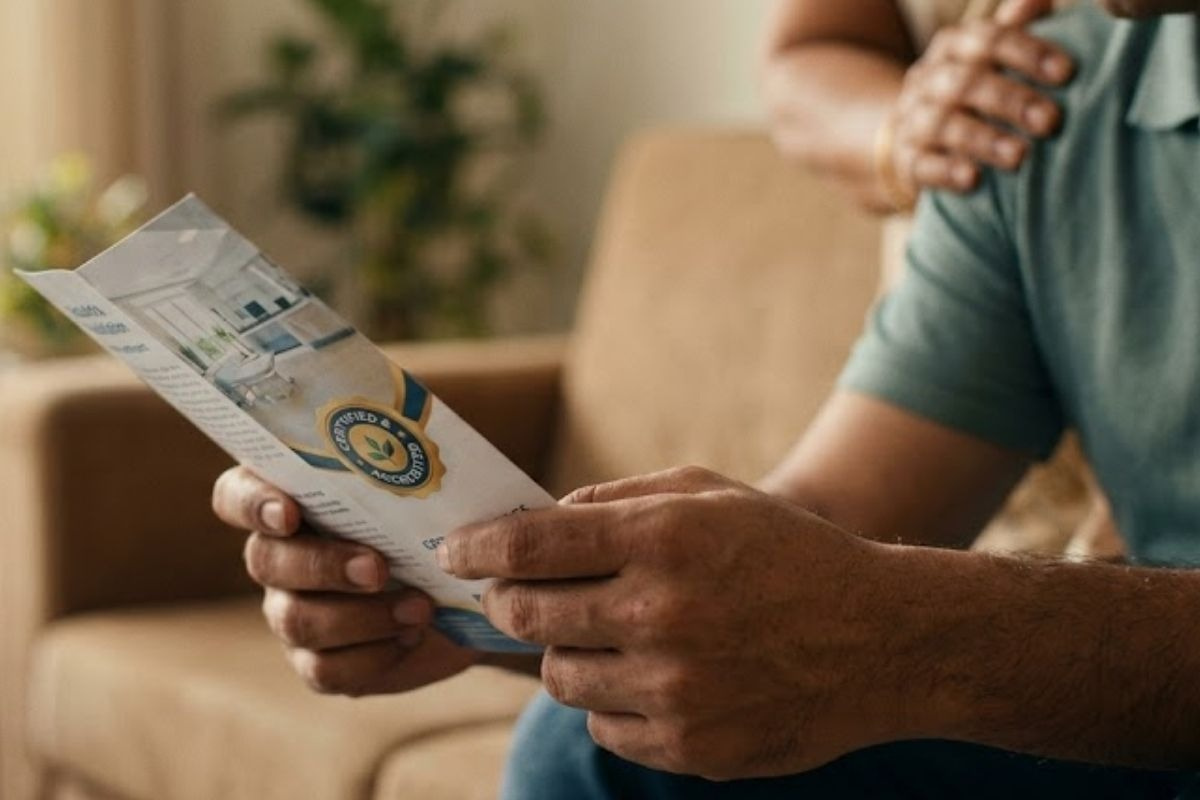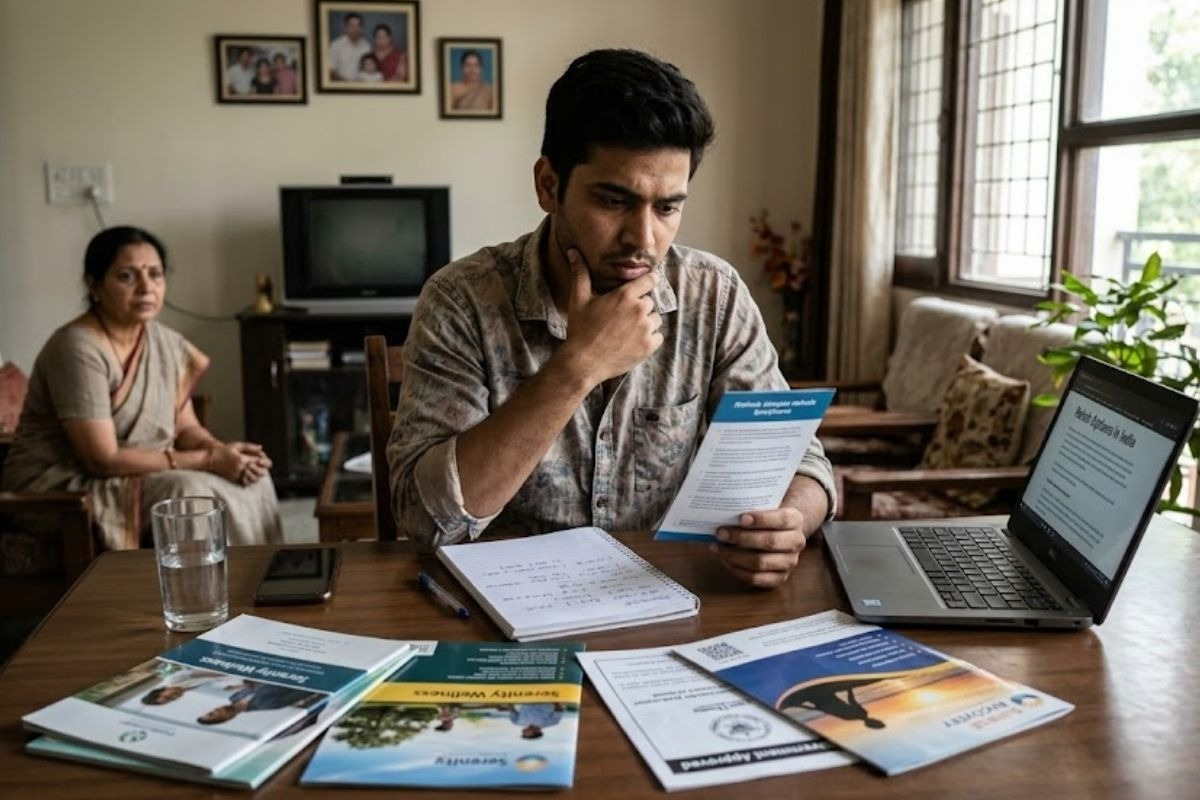
One of the most important decisions one will ever make is choosing a rehabilitation centre to go for addiction help. It is a time of weakness, hope, and the yearning for a better change at that moment. In India, there are many different places to heal, from high-end luxury retreats to smaller community-based centres or institutions. However, not every institution has the clinical depth needed for long-term recovery. We’ve seen a lot of families fall for shiny pamphlets that don’t talk about the clinical basis of rehabilitation.
Choosing a rehabilitation centre required looking past the “resort-style” amenities to go through this recovery journey. In fact, you also need to pay attention to how good the medical care and mental health support are.
This guide lists the seven important questions you need to ask to make sure you choose an accredited rehab facility. Also, that puts patient safety ahead of making money.
Let’s get started!
Q1. Are the people licensed and trained to help people with my type of addiction?

The first thing to check when choosing a rehabilitation centre is the credentials of the clinical staff. In India, a lot of “de-addiction centres” are conducted by people who have been through it themselves but don’t have any official clinical training. While peer support is helpful, it can’t take the place of medical help from a professional.
What You Need to Check
You should look for a team with people from different fields. This includes therapists with a master’s degree (LMSW or LPC), board-certified psychiatrists, and nurses who are available 24 hours a day, seven days a week. Furthermore, if a recovery centre can’t give you the name and credentials, that can be considered as one of the red flags in rehab centres. Choosing a rehabilitation centre without verified staff is a significant risk to the patient’s long-term health.
The Tip
“Are you a trained clinician or an admissions counselor?” you should ask the person on the phone. Consequently, a lot of centres use call centers that are focused on sales. An accredited rehab facility will normally have a doctor or nurse involved early in the screening process to make sure they can satisfy your needs.
Q2. Does the program offer evidence-based addiction treatment?

Evidence-based addiction treatment is the most important part of any successful recovery. This signifies that the approaches have been tried in a lab and shown to work. Traditional 12-step approaches are the sole choice in many parts of India. Some people find them helpful, but modern rehabilitation needs a stronger set of tools.
Why This Is Important
Cognitive Behavioral Therapy (CBT) and Dialectical Behavioral Therapy (DBT) are two examples of evidence-based addiction treatments that help people change the way they think. If you are choosing a rehabilitation centre that just talks about “willpower” or “discipline,” it might not be able to help with the neurobiological parts of addiction. Therefore, choosing a rehabilitation centre that doesn’t pay attention to science can lead to a pattern of relapses.
Q3. How does the facility handle dual diagnosis care?
Addiction doesn’t usually happen in a vacuum. Most people who have problems with drugs or alcohol also have trauma, sadness, or anxiety that is causing their problems. This is when dual diagnosis care becomes a must-have. If you address the addiction but not the depression, the person will probably go home and use drugs to feel better.
Treatment that is integrated vs. treatment that is sequential
Make sure the facility offers treatment that is integrated. Specifically, an overwhelming majority of people (almost half) who struggle with substance abuse also deal with mental health issues. However, a lot of rehab centres say they can do this, but not many have the professional doctors on staff to handle complicated psychiatric drugs together with therapy. Finding help for dual diagnosis care is the difference between short-term abstinence and real emotional healing. Choosing a rehabilitation centre that offers this integration is vital for those with co-occurring disorders.
Q4. What is the plan for detox and medical supervision in an accredited rehab facility?

The most risky part of rehabilitation for your body is detoxification. Many clinics in India use “cold turkey” methods, which can be hard on the patient, especially for people who are quitting alcohol or benzodiazepines. Thus, you need to ask about the medical procedures at the staff facility before choosing a rehabilitation centre.
The Care Standard
An accredited rehab facility will have a medical director and nurses available 24 hours a day. They should offer Medication-Assisted Treatment (MAT) when it’s needed. This helps control cravings and keeps brain chemistry stable. The most important thing here is safety. Moreover, one of the most alarming red flags in rehab centres is if they don’t seem to care about the medical hazards of detox.
Q5. Is the treatment plan really tailored to the person?
Stay away from any facility that offers a 30-day program that “fits all.” Everyone has their own tale. Some people may need 90 days, while others may be able to switch to outpatient care sooner. As a result, when you find a rehab centre, ask how often they review the treatment plan.
Indications of Customization
- Sessions: How many hours does each individual get during a one-on-one session?
- Particular Interest Groups: Are there any specifically for women, 9 to 5 proffesionals, or teenagers?
- Integrative Holistic Practice: Are their services limited to the medical field? Is nutritional counseling, yoga, as well as meditation available?
Choosing a rehabilitation centre with a personalized approach ensures that the underlying problems that led to the addiction are properly dealt with, not simply the signs.
Q6. How much does the family take part in the process?
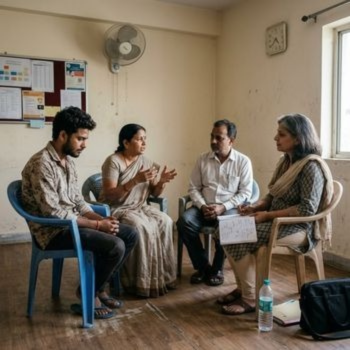
Addiction affects the whole family. In Indian culture, family engagement is considerably more important for long-term success. Consequently, a good, accredited rehab facility will not keep the family in the dark. They will provide family therapy sessions and classes.
Fixing the Support System
Be careful if you locate a rehab centre that doesn’t let you talk to your family for the whole time you’re there without a good cause. At first, some “separation time” is normal, but the goal should be to fix the home situation. Teaching the family how to establish limits and stop enabling behaviors is an important part of effective evidence-based addiction treatment. So, choosing a rehabilitation centre that involves loved ones builds a stronger foundation for the future.
Q7. What does the plan for aftercare and preventing relapse look like?
After the patient leaves the facility, the real work starts. The finest dual diagnosis care programs have a strong plan for aftercare. In other words, it’s not a race to get better; it’s a marathon. You need to know what happens on the 31st or the 91st day.
Questions for Aftercare
- Do they give you a proper written strategy for leaving?
- Is there a network of former patients that is active?
- Do they offer therapy sessions over the phone or in person?
If you’re choosing a rehabilitation centre with an inadequate aftercare program, you are much more likely to relapse. To really heal, you need a way back into the real world.
Red Flags in Rehab Centres: What to Avoid
It’s easy to be swayed by promises of “guaranteed cures” when you’re looking for aid. However, we want to warn you about these common warning signs at recovery centres:
- Guaranteed Success Rates: No doctor can honestly say that 100% of their patients will succeed. The person’s involvement is what determines recovery.
- Lack of Transparency: If they won’t allow you to view the facilities or meet the clinical team, just go.
- Very Low Prices: It’s crucial that centres are affordable, but those that are “too cheap” generally don’t provide safe medical care or good nutrition.
- Hidden Fees: Make sure that the amount you were given covers detox, meds, and laundry.
Choosing a rehabilitation centre that is good and certified means they will give better clarity about their prices and what they can’t do.
Trusting Your Gut
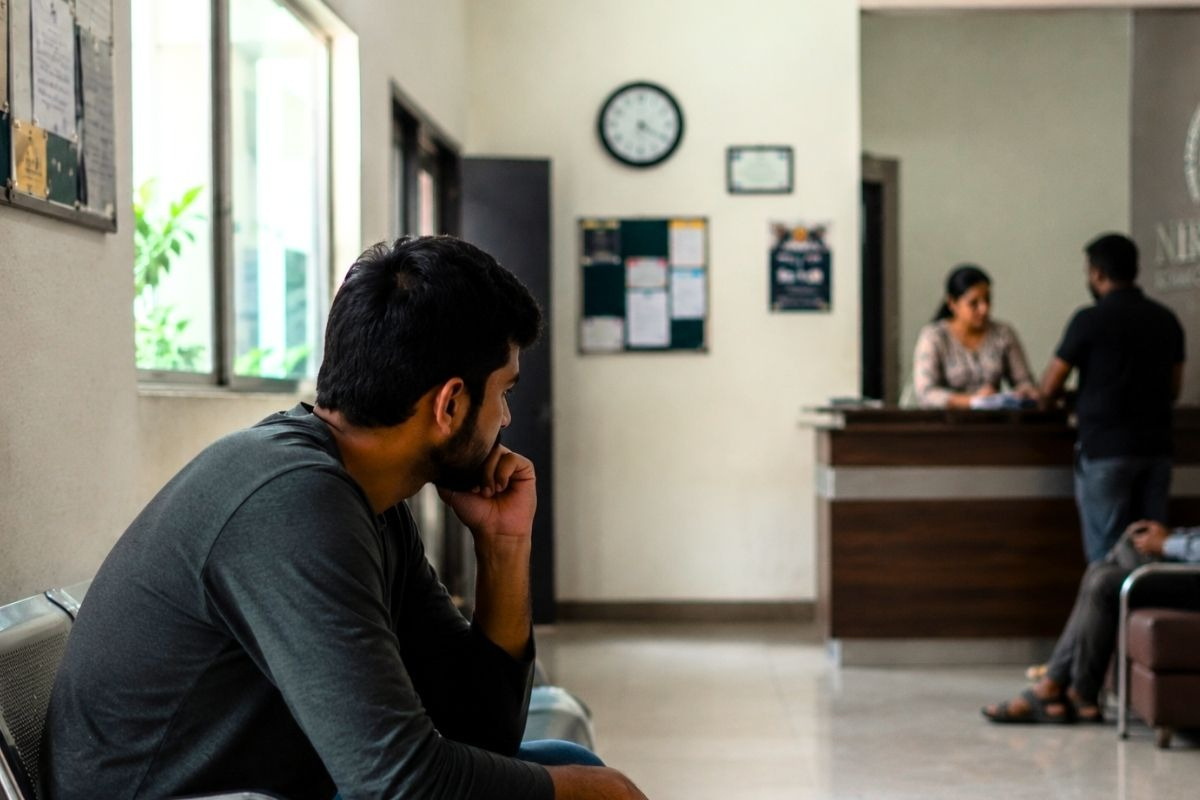
Ultimately, choosing a rehabilitation centre is a mix of reasoning and gut feeling. Use the seven questions above to check the clinical standards. Make sure the facility offers evidence-based addiction treatment and keeps its accreditation as a recovery facility.
To sum up, be mindful of how people treat you while the investigation is on. Is attentive listening exhibited by the staff? Is the response time quick when you ask questions? Wherever you get the impression of a “factory,” you’re probably right. A person needs to be in a caring environment where they are seen and heard in order to recover.
You may set yourself up for a life without addiction by avoiding the red flags that are common in recovery programs. Ultimately, getting well and happy again begins with choosing a rehabilitation centre.
FAQs—
Q: How long does a normal program last?
A: Most programs last between 30 and 90 days. But it’s always best to choose a rehabilitation centre that lets you figure out how long you stay based on how well you’re doing.
Q: Is medical detox always needed?
A: Not always, but a professional should always look at it. Medical monitoring in an accredited rehab facility is very important for those who are withdrawing from alcohol and opioids to avoid serious symptoms.
Q: Can I work while I’m in rehab?
A: Some high-end centres let CEOs use computers for a short time. But most evidence-based addiction treatment programs always advocate a complete “digital detox” at first so that the person may focus on recovering.
Q: How many people who go to rehab get better?
A: There are several methods to measure success, such as less drug use and a better quality of life. Facilities that offer competent dual diagnosis care and robust aftercare usually have far greater long-term success rates than those that don’t.