Medical detoxification is typically the most important initial step on the road to sobriety. This clinical method is meant to help with the physical symptoms of drug withdrawal and get the body back to normal after using drugs or alcohol for a long time.
But it’s vital to remember that this is not a cure for addiction on its own. Consequently, patients must see this phase as the start of a full recovery strategy if they want to see long-term effects.
1. The Important Role of Medical Detoxification in Early Recovery
The main purpose of medical detoxification is to keep the addictive person safe. The thing is, withdrawal is a time of immense change for the brain and body that happens when someone quits taking a substance they have been dependent on for a long time. In light of this, professional supervision becomes a necessity rather than an option.
If you don’t have a doctor watching you, these withdrawal symptoms can be very hard on someone and, in the case of alcohol or some sedatives, even deadly. Furthermore, the psychological strain of unmanaged withdrawal often leads patients to abandon their journey before it truly begins.
Alcohol withdrawal treatment and stabilizing GABA
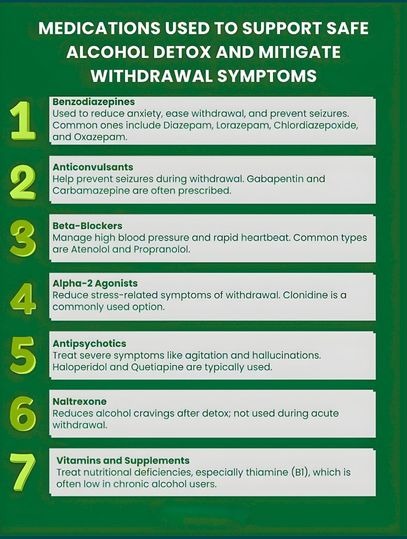
The goal of alcohol withdrawal treatment is to keep serious problems like seizures and Delirium Tremens (DTs) from happening. To achieve this, doctors often use benzodiazepines like Diazepam or Chlordiazepoxide to imitate the effects of alcohol on GABA receptors that make people feel relaxed. This lets the nervous system gently reset itself.
In addition to this, Thiamine is also often given to guard against Wernicke-Korsakoff syndrome, which is a very bad brain disease.
Managing opioids and lowering cravings
People who are having trouble with opioids need drugs like methadone or buprenorphine to help them. These pharmaceuticals work on the brain’s opioid receptors without giving users the deadly “high” that comes with illegal substances.
By and large, by gradually lowering these doses, doctors can help patients avoid harsh withdrawal symptoms and lessen the strong cravings that typically lead to recurrence. Moreover, clonidine and other non-opioid drugs are also used to help with the physical effects of perspiration, anxiety, and stomach problems.
2. Medical Detoxification Side Effects and Safety
Medications are important for safety, but they also come with risks. For this reason, patients and their families need to know about the side effects of medical detoxification before they start the process. These medicines are very strong; they should only be given under close medical care to avoid a second addiction or bad side effects.
| Type of Medicine | Common Uses | Possible Side Effects |
|---|---|---|
| Benzodiazepines | Detox from alcohol and sedatives | Dizziness, tiredness, trouble remembering things, and confusion |
| Methadone | Addiction to opioids | Sleepiness, constipation, and abnormalities in cardiac rhythm (QT prolongation) |
| Buprenorphine | Addiction to opioids | Nausea, headaches, trouble sleeping, and breathing problems (rare) |
| Clonidine | Managing symptoms | Low blood pressure (hypotension), dry mouth, and sleepiness |
Recently, people are starting to utilize drug detox meds like lofexidine more often since they are less likely to induce serious hypotension than older drugs like clonidine. Nevertheless, the patient may still have muscle pain or difficulties sleeping.
Because of these factors, anyone who wants to start this path should find a rehab centre that offers 24/7 monitoring to make sure that any adverse effects are dealt with right away.
3. How Well Medication-Assisted Treatment (MAT) Works Over Time
Many people think that finishing a detox program means the hard work is done. In actuality, medical detoxification only helps with the physical side of addiction. What happens after the toxins leave the body has a big effect on how long sobriety lasts.
Why detoxing alone often leads to relapse
Most people who go through detox without getting any follow-up care start using drugs again within a short time. Actually, studies show that relapse rates can reach 65% in the first month for people who go through detox without additional clinical treatment. This is especially true for people who use opioids.
Specifically, the brain needs time to repair its reward pathways, and the psychological triggers of addiction persist long after the physical withdrawal symptoms have diminished.
The Effectiveness of Medication-Assisted Treatment (MAT)
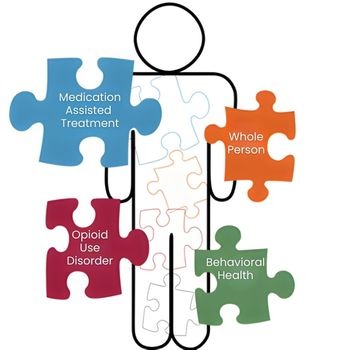
Medication-Assisted Treatment (MAT) is something that many experts say can help people get better in the long run. This method uses both FDA-approved drugs (such as naltrexone, which stops the effects of alcohol and opioids) and behavioural therapy. Medication-Assisted Treatment is the best way to recover since it treats the “whole patient” instead of just the immediate symptoms.
If you or someone you care about is ready to take this step, the first thing you need to do is find a rehab that specializes in moving patients from short-term detox to long-term Medication-Assisted Treatment (MAT). This ongoing care is the most crucial thing that keeps people from relapsing.
4. Factors Impacting the Rates of Recovery Success

There is a direct correlation between the level of individualization in medical detoxification and its effectiveness. Neither alcohol withdrawal treatment nor drug stabilization can be described as a “one-size-fits-all” solution.
However, important variables for success are:
- Short-term detox (7–21 days) can help stabilize the brain, but long-term maintenance (months or years) is often needed to fully heal it.
- Behavioural therapy: One kind of psychotherapy is behavioural therapy, which aims to explain the “why” behind an addict’s actions.
- Integrated medical supervision: A key component of integrated medical supervision is the routine monitoring of vital signs, such as heart and liver function, to ensure the continued safety of patients, particularly those who are taking naltrexone or methadone.
Ultimately, when used in conjunction with a long-term rehabilitation program, medical detoxification significantly increases an individual’s chances of becoming sober.
Conclusion: Medical Detoxification is a “Bridge”

In short, medical detox is a life-saving treatment that helps people get over the physical challenges of stopping substance abuse and alcohol use. While medical detoxification may come with some unpleasant side effects, the stability and security it offers throughout the acute withdrawal phase more than make up for it.
However, we must keep in mind that detox is just a “bridge” to a more permanent solution, not the final destination. Patients should use Medication-Assisted Treatment (MAT) and continue therapy to help them stay sober for long-term recovery. If you can’t handle withdrawal symptoms on your own, the bravest and most effective thing you can do for your health is to get expert treatment.
FAQs—
1. Will medical detoxification alone be enough to help me get over my addiction?
A: No. The only purpose of medical detoxification is to help with the physical symptoms of withdrawal and keep you safe while you are quitting. You need to follow detox with behavioural therapy and, in many situations, Medication-Assisted Treatment (MAT) in order to fully recover.
2. What are the most prevalent negative effects of detoxification?
A: Some medications might cause nausea, tiredness, dizziness, and constipation as adverse effects. For instance, Benzodiazepines can produce short-term confusion or memory problems in more serious situations, as when someone is going through alcohol withdrawal. In most cases, doctors will monitor them to make sure they don’t get out of hand.
3. What is the typical duration of medical detoxification?
A: The duration of a regimen varies from substance to substance, but it typically ranges from seven to twenty-one days. For example, with alcohol withdrawal treatment, it’s common practice to keep a careful eye on the patient for a week. When tapering off opioids, it may take a bit more time to ensure that the withdrawal symptoms remain mild.
4. Is it possible for me to go through medical detoxification at home?
A: It is not recommended at all, especially with alcohol and benzodiazepines, because the withdrawal symptoms can adversely harm you (for example, seizures or heart failure). For your protection, it’s important to select a rehab centre or hospital where qualified medical experts can keep an eye on you.