If you’re here, reading, you probably want to know how to move forward, either for yourself or for someone you care about deeply. Finding your way through alcohol use disorder treatment might be hard; however, we are here to help you see things more clearly.
Over the years, the world of recovery has gotten better in 2026. We no longer use “shame-based” models or “one-size-fits-all” methods. Instead, finding aid today is about science, safety, and finding a team that views you as a person and not just a number on a chart.
This guide can help you know good care in your local area, whether you’ve been struggling for a long time or just realised that things have gone too far.
1. Start Close to Home: Your Doctor Is Your Partner in Alcohol Use Disorder Treatment
First and foremost, your Primary Care Physician (PCP) is like a “recovery GPS.” Before you start searching for something on the internet, a fast trip to the doctor can save you a lot of time and trouble. This is largely because alcohol use disorder treatment in 2026 is becoming more and more a part of general care.
Actually, the actual percentage of people who regularly consume alcohol is more than 65%, with 8% experiencing hazardous use and 14% developing a dependence on alcohol.
When you go to the doctor for help with your alcohol addiction, they can take important blood tests to assess your liver enzymes and nutritional levels. More significantly, they can talk about the health aspect of things. A lot of individuals don’t know that there are FDA-approved drugs that can help you deal with cravings and help your brain “reset” while you undertake the emotional work of treatment.
Tip: You should be completely honest with your doctor. They aren’t there to judge you; they’re there to make sure your journey to sobriety is safe from a medical point of view.
2. Choosing Between Alcohol Rehab Centres and Outpatient Care

“Do I have to go away to a facility for 30 days?” is one of the most common queries people ask. The answer is: not always. In reality, it all depends on what you require, how healthy you are, and where you live. Let’s look at the two main paths for alcohol use disorder treatment.
Residential Alcohol Rehab Centres
Alcohol rehab centres are the best option for people who need an organized place to get away from their daily stressors. In particular, a residential stay gives you a 24/7 “bubble” of support if your home life is difficult or if you are around individuals who drink. Furthermore, the top rehab centres provide medical detox, daily therapy that is really intense and helpful, and a group of people who really get what you’re going through.
Outpatient Alcohol Counselling
In contrast, outpatient alcohol counselling is quite flexible. For example, if you have a job you can’t leave or kids who need you home for supper, you can still get help. Outpatient programs have gotten a lot better in the past few years. You can go to “Intensive Outpatient Programs” (IOP) that meet a few times a week for a few hours. This is typically a great option for those who are ready to get specialized therapy but don’t want to put their whole life on hold.
3. The Must-Haves: Evidence-Based Addiction Recovery
The thing is, as you search for help, you’ll come across a lot of flashy websites with pictures of beaches at sunset while you look for help. However, how can you tell if a place is really good? This is where you look for addiction recovery that is founded on facts. It indicates that the program employs strategies shown to work in clinical trials. In contrast, if you are seeking alcohol use disorder treatment, stay away from centres that put all of their eggs in the “new age” or experimental basket.
What does that look like in medical practice?
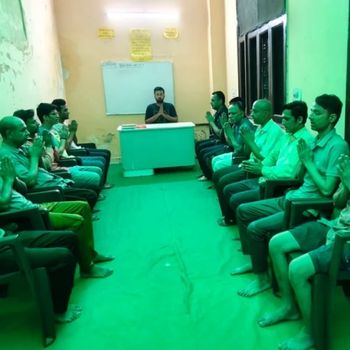
- Cognitive Behavioural Therapy: This helps you figure out what “triggers” and mental patterns make you want to drink.
- Treatment for Dual Diagnosis: A lot of people who take drugs also have anxiety, sadness, or PTSD that hasn’t been identified yet. A good program treats both at the same time.
- Motivational Interviewing: A therapy that uses guided conversation to help you identify your own reasons to change, rather than being told what to do by someone in authority.
4. How to Find a Rehab Centre You Can Count On
When you start looking for a treatment centre, think of it like a job interview: you are the boss, and they are applying to help you get better. Similarly, you need to be a smart shopper in a busy market because not every centre is the same. As a result, when looking for an alcohol use disorder treatment, you should choose facilities that have highly qualified clinical staff.
Your Checklist of Quality Run:
- Accreditation: First, check for the “gold seals.” The Joint Commission and CARF (Commission on Accreditation of Rehabilitation Facilities) are the two most important ones. These groups do thorough inspections of the institution to make sure it satisfies high clinical and safety requirements.
- Staff from Several Fields: Next, a good centre won’t only have counsellors. There should be a medical director (an MD), registered nurses, certified clinical social workers, and nutritionists on staff. The whole body needs to be treated for alcohol addiction because it affects the entire body.
- Planning for Aftercare: Finally, the first 72 hours after leaving a program are the most perilous for someone who is recovering. When you find a rehab centre, ask them, “What is your plan for getting me out?” Do they assist you in finding a therapist in your area? Do they have a network of former students? A trusted centre cares about your long-term success, not just the 30 days you spend there.
5. Dealing With Parallel Substance Abuse With Specialised Care
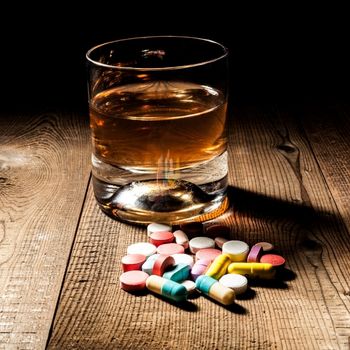
In many cases, drinking isn’t the only problem. In fact, a lot of people have trouble with using more than one substance or “cross-addiction.” Moreover, this is why specialised care for alcohol use disorder treatment is so vital. For instance, we know that a college student who is 22 years old and an executive who is 55 years old have quite different lives and things that stress them out.
Find programs that provide specialist tracks for:
- Professionals: Places that know how to keep doctors, lawyers, and CEOs’ privacy and work under high-pressure situations.
- Veterans: Programs that look at the link between PTSD and drug abuse.
- LGBTQ+ communities safe places that deal with the unique societal strains and traumas that members of the community confront.
6. The Strength of Support Groups in Alcohol Addiction

The fact is, professional alcohol use disorder treatment gives you the clinical base you need; meanwhile, mutual support groups give you the “social glue” that holds your recovery together. Moreover, these groups are run by people who have been through what you’re going through and can offer you something a doctor can’t: their own experience.
There are other options than simply the 12-step model in 2026:
- SMART Recovery: This is a popular option that gives you power by using tools from evidence-based addiction recovery. It emphasizes cognitive tools and self-reliance.
- Alcoholics Anonymous (AA): AA is still the most popular group in the world. It gives people a strong sense of community and an organized spiritual journey.
- Women for Sobriety (WFS) is a group that helps women in recovery with their emotional needs and gives them the strength they need to get better.
7. How to Avoid Red Flags in Alcohol Rehab Centres
Sadly, there are some bad people in the rehab industry. When looking for addiction recovery that is founded on facts, be careful of:
- Cures that are guaranteed: No real doctor will “guarantee” that they can treat your addiction. It is a long-term problem that requires ongoing management.
- Costs that aren’t obvious: If they won’t tell you what your insurance covers and how much you’ll have to pay out of pocket for alcohol use disorder treatment, leave.
- Concentrate on amenities: If the website has more photographs of the infinity pool and the food made by the chef than of the medical team, they may not be putting their priorities in the right place. You are not on vacation; you are there for alcohol use disorder treatment.
FAQs—
1. Is outpatient alcohol counselling as good as going to rehab?
Yes, for a lot of people! If you have a secure home life, a family that supports you, and a lot of personal drive, outpatient alcohol counselling can be very helpful. It lets you practice being sober in the “real world” while still getting expert help.
2. How can I tell if a place uses evidence-based addiction recovery methods to help people recover from addiction?
Don’t be afraid to ask! Call the admissions office and ask: “What therapeutic modalities do you use?” You want to hear things like CBT, DBT, or MAT. If they only mention “spiritual healing” or “alternative therapies” without a clinical backbone, they are not following evidence-based addiction recovery protocols.
3. What is the first step in finding alcohol use disorder treatment near me?
The ideal first step is to visit your doctor for a physical assessment. Once you know your medical status, use official tools like FindTreatment.gov or the NIAAA Alcohol Treatment Navigator. These tools help you filter for accredited rehabilitation centres and specialized outpatient alcohol counselling in your specific city.