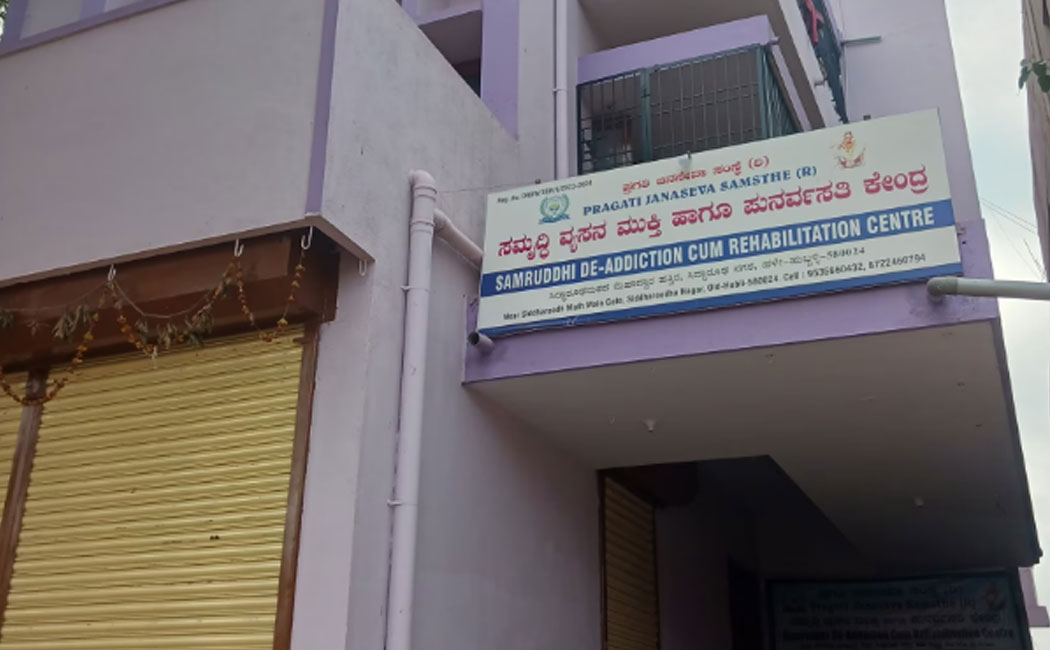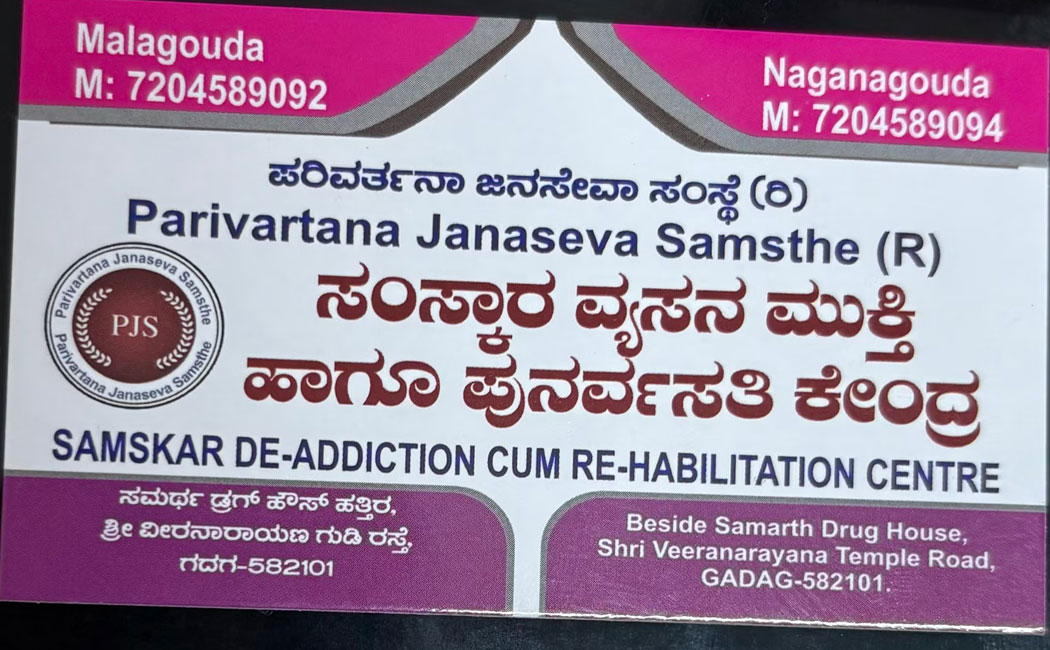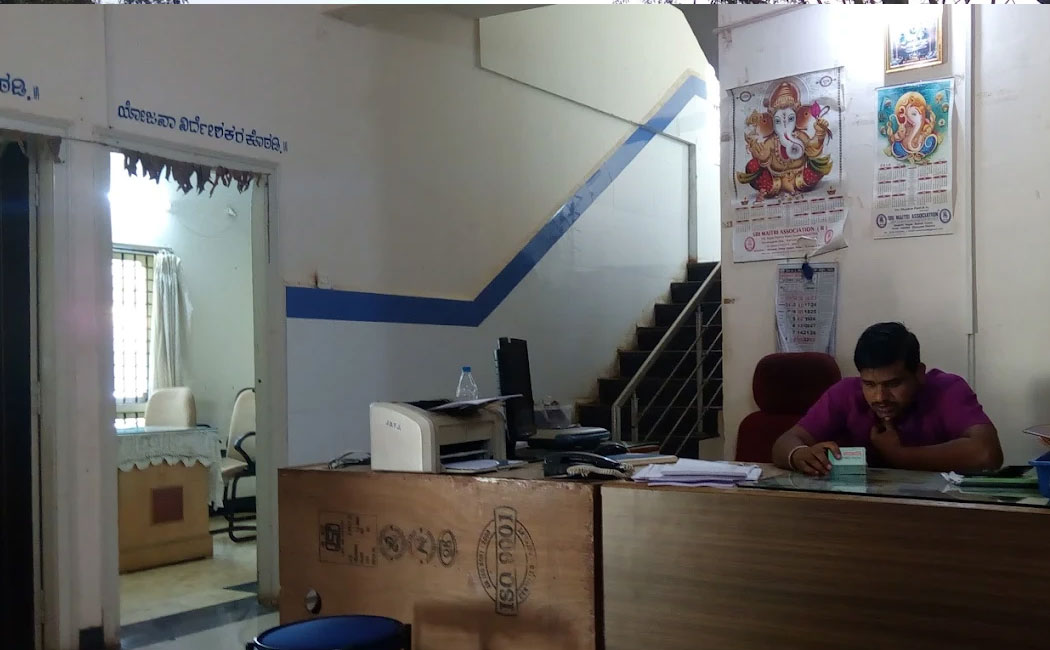
- CLOSED CENTRE
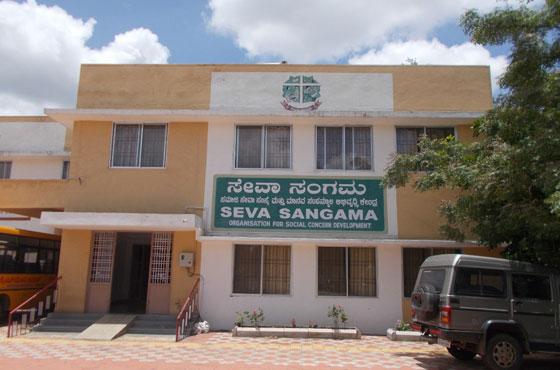
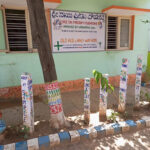
Seva Sangama Society in Bangalore Urban provides compassionate care and professional support for individuals struggling with alcohol addiction. The centre believes that recovery is possible for everyone and focuses on helping people rebuild their lives with dignity, confidence, and hope. Through a structured treatment approach, the team supports individuals at every stage of their recovery journey.
As a trusted Drug and Alcohol Rehab Centre in Bangalore Urban, the centre offers personalized treatment programs that address both the physical and emotional effects of addiction. Individuals receive access to counselling, behavioural therapies, group sessions, family support programs, relapse prevention strategies, and recovery education. These services help patients understand addiction, develop healthier coping mechanisms, and work towards long-term sobriety.
One of the reasons many families trust Seva Sangama Society is its affordable treatment options and patient-centred approach. The centre provides a comfortable stay, a calm environment, and continuous support from experienced professionals. Moreover, counsellors and rehabilitation experts closely monitor progress and guide individuals throughout the recovery process.
As a dependable Substance Abuse Treatment Centre in Bangalore Urban, the facility combines evidence-based therapies with emotional wellness programs and life-skills development. Medication-assisted treatment is provided when necessary under professional supervision. In addition, family involvement is encouraged because strong support systems often play a vital role in successful recovery.
For those seeking a reliable Rehab Centre in Bangalore Urban, Seva Sangama Society offers quality care, professional treatment, and a welcoming atmosphere. As a respected Rehabilitation Centre in Bangalore Urban, it remains committed to helping individuals achieve lasting recovery and a healthier future free from alcohol dependence.
Services Offered
A structured recovery approach based on the 12-step model used in addiction treatment. Focuses on acceptance, self-reflection, accountability, and peer support. Often delivered through group meetings and guided step work. Commonly used for alcohol, drugs, and behavioral addictions.
Safety measures implemented to reduce infection risk in rehab settings. Includes sanitization, health screening, isolation protocols, and hygiene practices. Helps protect patients, staff, and visitors in shared environments. Ensures continuity of care with minimal disruption.
A medically supervised process of clearing addictive substances from the body. Helps manage withdrawal symptoms safely and stabilizes physical health. Often the first phase of treatment before therapy begins. May involve medications, monitoring, and supportive care.
Therapy sessions involving family members to support recovery. Addresses conflict, communication issues, codependency, and enabling behaviors. Educates families about addiction and recovery expectations. Strengthens the support system for long-term rehabilitation.
A behavioral addiction involving compulsive gambling despite harmful consequences. Treatment focuses on impulse control, financial behavior, and emotional triggers. Often managed through therapy, group support, and relapse prevention strategies. Can occur alongside substance use disorders.
Premium rehabilitation programs offering enhanced comfort and privacy. May include private rooms, upscale facilities, wellness amenities, and personalized attention. Treatment remains clinical and evidence-based, with additional lifestyle support. Typically suited for clients seeking discretion and premium environments.
Therapy focused on rebuilding daily life skills and functional independence. Helps clients develop routines, work readiness, time management, and healthy habits. Supports reintegration into family, education, and employment. Often used during rehabilitation and recovery planning.
Talk-based therapy used to understand and change addictive behaviors. Includes approaches like CBT, DBT, trauma therapy, and motivational therapy. Helps manage cravings, emotions, and negative thought patterns. A core component of long-term recovery.
Strategies and therapy aimed at reducing the risk of relapse. Includes identifying triggers, building coping skills, lifestyle changes, and support planning. May involve counselling, group therapy, and aftercare programs. Strengthens long-term recovery stability.
An intensive, long-term inpatient recovery program combining detox (if needed), therapy, and lifestyle rebuilding. Includes group sessions, individual counselling, wellness activities, and relapse prevention. Focuses on long-term behavioral change. Often followed by aftercare support.
Programs designed to help individuals stop tobacco or nicotine use. May include counselling, nicotine replacement therapy, medications, and behavioral support. Focuses on managing cravings and withdrawal symptoms. Supports overall health improvement during recovery.
Professional counselling focused on reducing substance use and maintaining recovery. Helps clients understand triggers, develop coping strategies, and set recovery goals. Can be individual, group, or family-based. Often combined with medical and psychological care.
Specialized addiction treatment designed for adolescents and young adults. Focuses on age-appropriate therapy, education support, and family involvement. Addresses peer pressure, impulsivity, and emotional challenges. Emphasizes early intervention and long-term prevention.
Treatment focused on reducing alcohol dependence and achieving long-term sobriety. Typically includes detox (if needed), counselling, behavioral therapies, and relapse prevention. Addresses physical dependence, triggers, and emotional factors. Can be outpatient or residential depending on severity.
A mental health condition often linked with addiction and recovery challenges. In rehab, depression is assessed and treated alongside substance use issues. Managed through therapy, psychiatric care, and structured support. Treating depression reduces relapse risk and improves recovery outcomes.
Treatment designed to stop drug use and address dependency. Combines medical support, counselling, and behavioral therapies to manage cravings and triggers. Focuses on underlying causes such as trauma, stress, or mental health issues. Includes aftercare planning to prevent relapse.
Support programs offered to families of individuals undergoing treatment. Includes counselling, education sessions, family meetings, and progress updates (where appropriate). Helps families cope with stress and rebuild trust. Encourages healthy boundaries and supportive involvement.
Services designed for clients traveling from outside the country. May include airport support, multilingual assistance, documentation help, and customized treatment planning. Often includes extended stay options and remote follow-up. Ensures smoother admission and continuity of care.
Treatment for psychological conditions that may co-exist with addiction (dual diagnosis). Includes psychiatric assessment, therapy, medication management, and emotional regulation support. Stabilizing mental health improves treatment outcomes. Helps reduce triggers that lead to substance use.
Programs aimed at reducing the risk of addiction or relapse. Includes awareness sessions, education on substances, coping skills training, and early intervention. Focuses on building resilience and healthy decision-making. Often targeted at schools, families, and communities.
A return to substance use or addictive behavior after a period of improvement. Considered a common risk in addiction recovery, not a failure. Often triggered by stress, cravings, or untreated mental health issues. Requires reassessment and renewed support.
A treatment format where clients stay at the facility during recovery. Provides structured routines, 24/7 supervision, therapy, and medical support. Reduces exposure to triggers in the outside environment. Suitable for moderate to severe addiction cases.
A behavioral addiction involving compulsive sexual behavior that disrupts daily life. Treatment focuses on impulse control, emotional regulation, and underlying psychological causes. Often includes therapy, group support, and boundary setting. May co-occur with substance abuse or trauma.
Harmful or hazardous use of alcohol, drugs, or other substances. May involve bingeing, dependency, or use despite negative consequences. Often affects physical health, mental health, relationships, and work life. Can progress into addiction without intervention.
Wellness practices used as supportive therapies in rehab. Helps reduce stress, improve emotional control, and support sleep and mental clarity. Often used to manage cravings and anxiety. Complements clinical treatment but does not replace therapy.
Substance use problems occurring in teenagers or young adults. Often linked to stress, peer influence, trauma, or mental health conditions. Requires early identification and structured intervention. Treatment focuses on behavioral change, counselling, and family support.
Write a Review
Looking for more Drug Rehab Centres in Karnataka ? Click Here
Is this your business?
Claim listing is the best way to manage and protect your business